Food Aversion During Pregnancy: What is Normal, How to Cope, and When It Ends
Getty Images

Written by Mindsmaking Medical Writer

Fact Checked by Mindsmaking Professionals
23rd, December, 2025
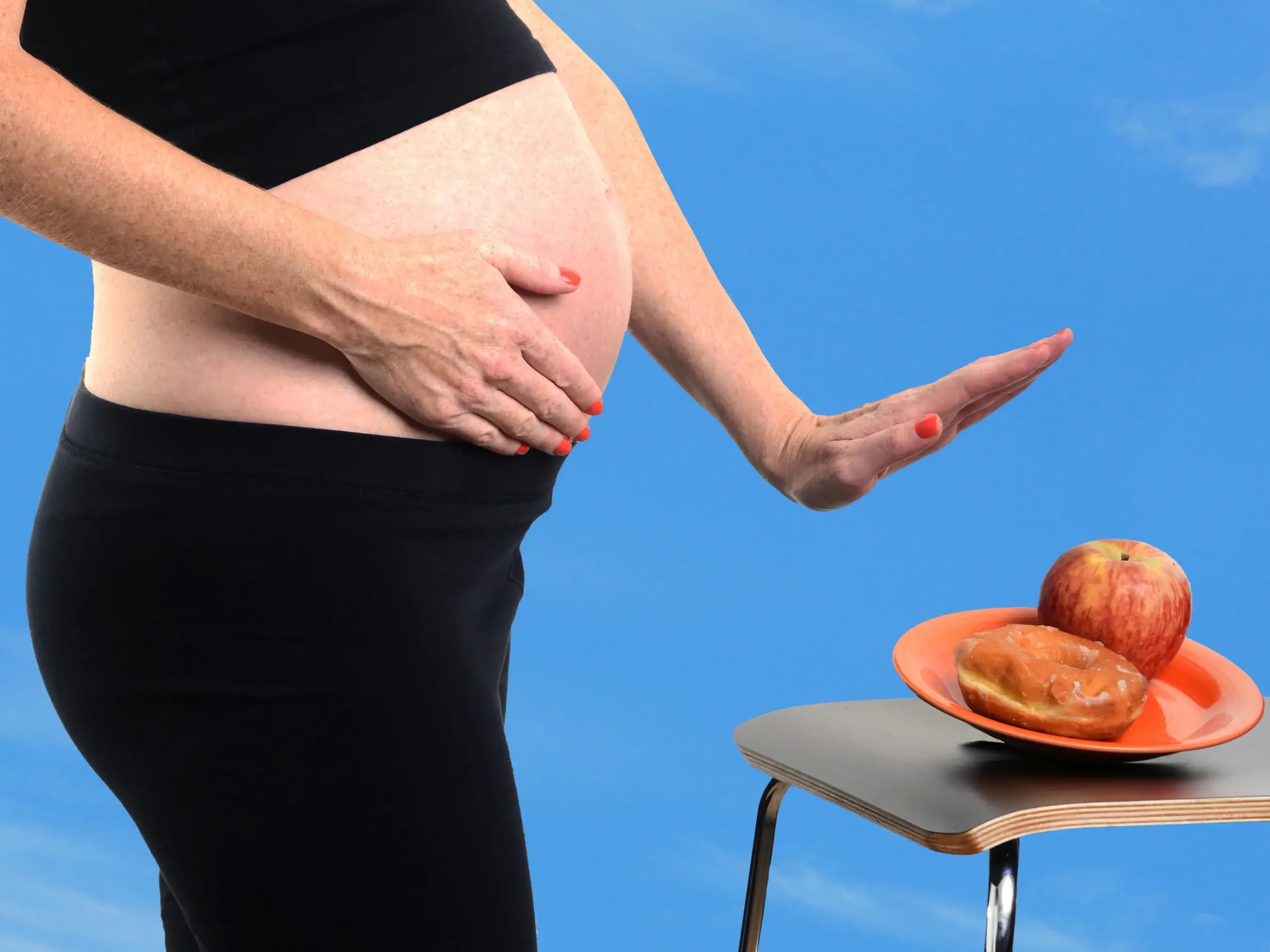
Food aversions are common in pregnancy. Knowing how to manage triggers, coping strategies, and when to call your doctor helps you stay nourished and supported throughout your pregnancy.
Food aversions are one of the most surprising, and often confusing symptoms of pregnancy. A food aversion simply means your body suddenly can’t tolerate certain foods anymore. You might feel turned off by their taste, smell, or even the thought of eating them. This can happen even with foods you used to love, leaving many moms wondering what changed.
If this sounds like you, you’re not alone. Studies show that 50 to 90 percent of pregnant women experience food aversions at some point. And while they can be frustrating or inconvenient, they are usually normal, harmless, and temporary.
Key Takeaways
Hormonal changes, heightened senses, evolutionary protective mechanisms, and associations with nausea influence food aversions.
Food aversions usually peak in the first trimester and often ease by the second trimester, though timing can vary for every woman.
Meat, eggs, strong-smelling foods like fish, garlic, onions, coffee, and spicy or greasy meals are the most commonly reported aversions.
Food aversions are strong dislikes for certain foods, while morning sickness is nausea and vomiting; some women experience both simultaneously.
Strategies to manage food aversions include listening to your body, finding tolerable foods and nutrient alternatives, eating small, frequent meals, staying hydrated, and using natural remedies like ginger or lemon.
Contact your doctor if you experience significant weight loss, persistent vomiting, dehydration, inability to keep down food or fluids, or unusual non-food cravings (pica).
What Causes Food Aversions During Pregnancy?
Food aversions are influenced by a blend of physical, hormonal, and even evolutionary factors that shape how your body responds to food during pregnancy. While the sudden dislike for a once-favourite meal can be surprising, there are science-backed reasons behind these changes.
Hormonal Changes: Surging pregnancy hormones, especially rising human chorionic gonadotropin (hCG), can dramatically alter appetite and digestion in the first trimester of pregnancy. These changes can make certain foods smell stronger, taste different, or suddenly feel unappealing.
Heightened Senses: Pregnancy often brings a sharper sense of smell and a more sensitive palate, causing foods that once seemed mild to feel overpowering or unpleasant. This heightened sensory response means foods you previously enjoyed may now trigger discomfort simply because your senses are working in overdrive.
Evolutionary Protection Theory: Some researchers believe food aversions are a protective mechanism. They may help steer you away from foods that historically carried higher risks, such as certain meats, strong vegetables, or caffeine, during the most delicate stages of fetal development.
Association with Nausea/Morning Sickness: Food aversions often appear alongside nausea and vomiting. If a particular food smell or flavour triggers queasiness even once, your brain may quickly learn to associate that food with discomfort, creating an automatic aversion to help you avoid feeling sick again.
Is Food Aversion the Same as Morning Sickness?
Food aversions and morning sickness are not the same. Food aversions involve a sudden dislike or repulsion toward certain smells, tastes, or textures, even ones you normally enjoy. Morning sickness, on the other hand, is the nausea and occasional vomiting many women experience, often in the morning but sometimes throughout the day. Although they can happen at the same time, they are two different pregnancy symptoms.
Some women experience both at once, making mealtime feel like a challenge. You might find yourself avoiding certain foods entirely while also struggling with waves of nausea. It is perfectly normal to feel this way, and it does not mean you are doing anything wrong. These symptoms are your body’s way of adjusting to the many changes pregnancy brings.
The good news is that both food aversions and morning sickness are usually temporary. Most women notice them easing as they move past the first trimester.
How Long Do Food Aversions Last During Pregnancy?
Most pregnancy food aversions last only through the first trimester. They usually peak around weeks 6 to 8 and then begin to ease as your hormones settle. By the time the second trimester arrives, many women notice that the foods they couldn’t stand before slowly become tolerable again, even the ones that once made their stomach turn.
However, everyone’s experience is different. Some aversions linger well into the third trimester, especially if they were tied to strong nausea early on. And it is totally normal for them to come and go throughout pregnancy. One week, you might regain your love for a particular food, and the next week it’s back on your “absolutely not” list.
Even though the timeline varies, most food aversions tend to ease as your pregnancy progresses. And almost always, they disappear completely by the time your baby arrives. So while it can be frustrating in that moment, it is usually just another temporary part of the pregnancy journey.
Common Food Aversions in Pregnancy
Many pregnant women notice that certain foods suddenly become difficult to tolerate, especially those with strong smells, intense flavours, or particular textures. These aversions can feel completely random, but they often follow familiar patterns.
Meat and eggs are among the most commonly reported triggers. For many women, the smell of meat cooking or the texture of eggs can feel overpowering, making them some of the first foods to fall off the menu during early pregnancy. Strong-smelling foods in general also tend to cause problems. Fish, garlic, onions, coffee, and spicy or greasy meals can quickly become unappealing to the point that even catching a whiff from across the room can trigger nausea.
One of the most surprising parts of pregnancy aversions is how unpredictable they can be. A food you used to love might suddenly become impossible to stomach, and your dislikes can shift from one week to the next. This “surprise factor” is completely normal and usually fades as pregnancy progresses.
Read This Next
No posts available
How to Cope With Food Aversions During Pregnancy
Pregnancy-related food aversions and nausea can make eating a balanced diet challenging, but there are several strategies to help you cope. These tips can make mealtime more manageable and less stressful.
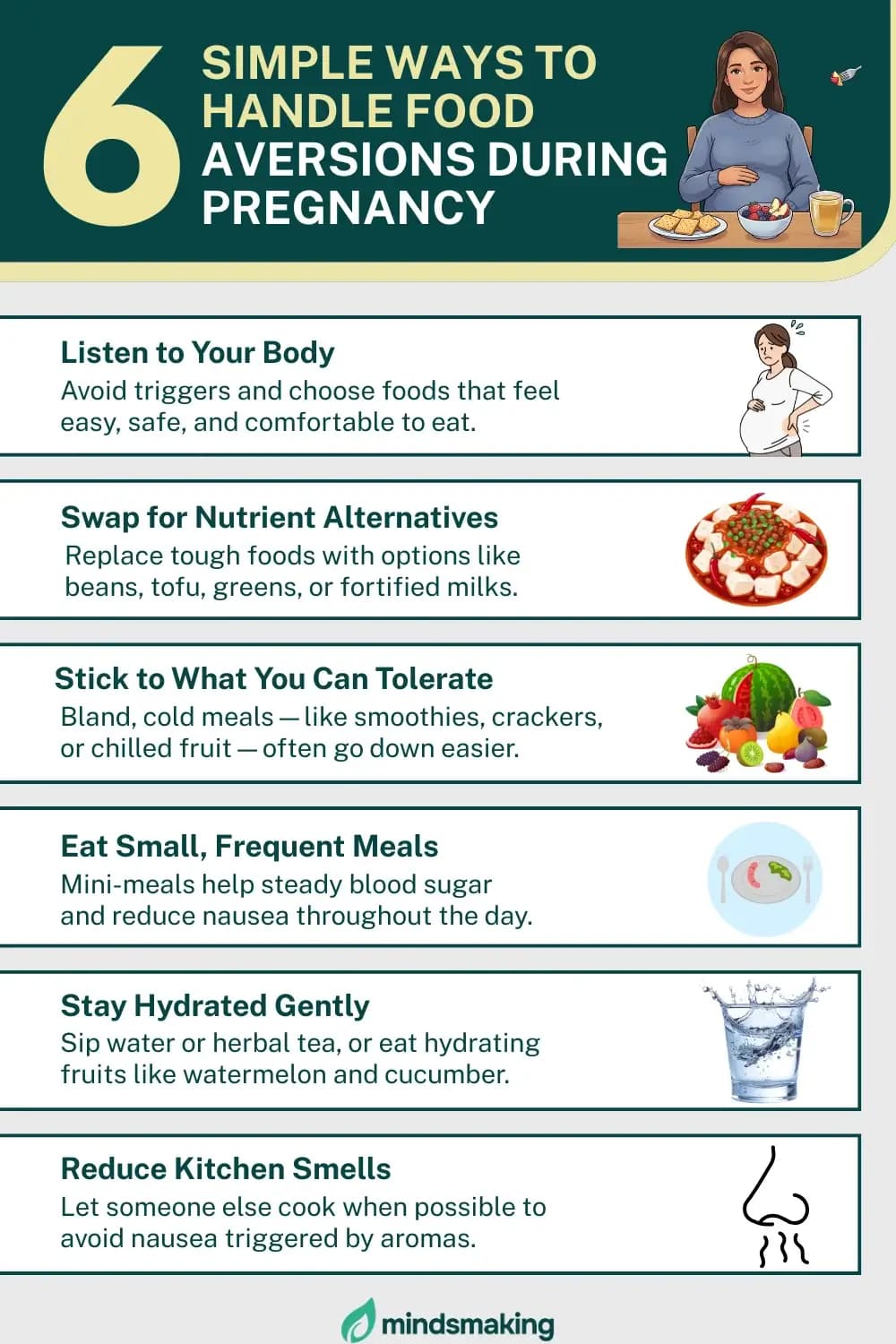
Listen to Your Body and Honor Your Cravings and Aversions: It is important to pay attention to foods that trigger nausea or discomfort and to avoid them. You don’t need to force yourself to eat something that feels unpleasant or overwhelming. By trusting your instincts and choosing foods that feel manageable, you can make mealtimes less stressful while still nourishing your body.
Find Nutrient Alternatives to Replace Foods You Can’t Tolerate: When certain foods are off-limits, find alternatives that still provide essential nutrients. For protein, consider beans, nuts, tofu, or lentils, and for calcium, choose leafy greens, fortified plant milks, or yogurt alternatives.
Focus on Foods You Can Tolerate, Especially Bland or Cold Options: Many pregnant women find that bland, cold, or frozen foods are easier to eat because they have less aroma and are gentler on the stomach. Options like plain crackers, smoothies, or chilled fruits can provide nutrition without triggering nausea.
Eat Small, Frequent Meals Throughout the Day: Eating smaller portions at regular intervals can help stabilize blood sugar and reduce waves of nausea. Instead of three large meals, try mini-meals or snacks spaced throughout the day. This approach is gentle on the digestive system, supports energy levels, and makes eating feel less overwhelming when your appetite fluctuates.
Stay Hydrated with Fluids You Can Tolerate: Hydration is essential, especially if plain water is unappealing. Sipping small amounts of water or herbal tea and eating high-water-content fruits like watermelon and cucumber can help maintain fluid balance. Staying hydrated prevents fatigue, supports digestion, and keeps you feeling more comfortable throughout the day.
Delegate Cooking and Kitchen Tasks When Possible: Strong cooking smells can trigger aversions, so asking a partner or family member to prepare meals can make a big difference. Reducing exposure to unpleasant aromas helps prevent nausea and makes mealtime more enjoyable. Delegating these tasks also allows you to conserve energy and focus on eating foods you can tolerate comfortably.
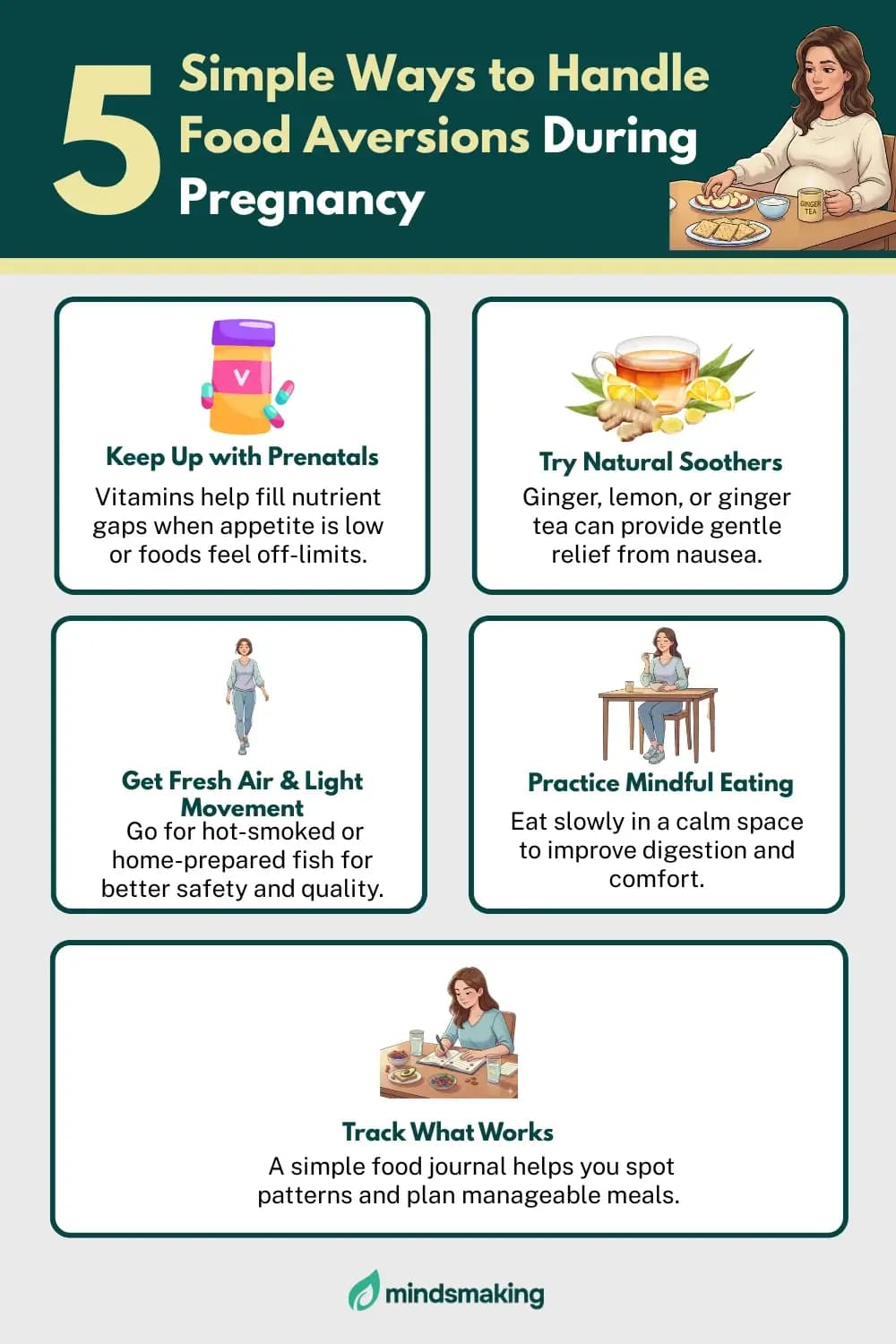
Continue Taking Prenatal Vitamins to Fill Nutritional Gaps: Even when food intake is limited, prenatal vitamins help ensure that your body receives essential nutrients. Sticking to your prenatal routine supports your baby’s growth and helps fill potential gaps when certain foods are avoided.
Use Natural Remedies Like Ginger or Lemon to Ease Nausea: Ginger tea, chews, or a splash of lemon water can soothe an upset stomach and provide gentle relief. Consuming these in small amounts throughout the day is usually safe and can help manage nausea naturally. Incorporating these natural remedies alongside tolerable foods can make mealtime more comfortable.
Get Fresh Air and Light Exercise to Improve Appetite: Gentle movement, like short walks or stretching, can reduce nausea and stimulate appetite. Fresh air not only improves digestion but also helps boost mood and energy. Combining light exercise with meals can make eating more manageable and help your body adjust to the physical changes of pregnancy.
Practice Mindful Eating in a Calm Environment: Eating slowly, focusing on each bite, and sitting upright in a calm setting can help reduce digestive discomfort and make meals easier to tolerate. Minimizing distractions allows your body to process food more efficiently and supports better digestion, even when appetite is low.
Keep a Food Journal to Track Tolerations and Patterns: Keeping a record of which foods are well tolerated and which trigger nausea can provide valuable insight. Tracking patterns makes it easier to plan meals that work for your body and helps reduce stress at mealtimes. Over time, a food journal can reveal helpful information and help you gain confidence in managing your diet throughout pregnancy.
Graphic listing six practical ways to manage food aversion during pregnancy, with icons representing small meals, bland foods, hydration, rest, gentle flavors, and flexible eating habits.
When to Call Your Doctor
While food aversions and mild nausea are common and usually temporary during pregnancy, there are times when they may signal a need for medical attention. Warning signs to watch for include significant weight loss, persistent vomiting, signs of dehydration such as dizziness or very dark urine, an inability to keep down any food or fluids, or unusual non-food cravings (known as pica). These symptoms can affect both your health and your baby’s growth and should not be ignored.
Seeking professional guidance can provide reassurance and practical support. Consulting with your healthcare provider or a registered dietitian can help you develop personalized strategies for meal planning, nutrient intake, and symptom management. They can recommend supplements, dietary adjustments, or other interventions tailored to your needs, helping you and your baby stay healthy as you navigate food aversions.
Remember, reaching out for help is normal and responsible. Early guidance can prevent complications, ease discomfort, and give you the confidence to maintain proper nutrition throughout your pregnancy.
A Word From Mindsmaking
Food aversions are a normal part of pregnancy and usually temporary. For most women, they peak in the first trimester and often ease as the pregnancy progresses or after the baby is born. While they can make mealtimes challenging, remember that you can still achieve a healthy pregnancy. With mindful eating, hydration, and the support of your healthcare provider, you can navigate these changes while keeping both you and your baby nourished and thriving.
Pregnancy by Week
Welcome to the enchanting journey of motherhood, where every week unfolds a new chapter of anticipation, growth, and wonder.




Frequently Asked Questions
Can food aversions affect my baby’s nutrition?
Mild food aversions usually don’t harm your baby, especially if you maintain a balanced diet with alternatives and continue prenatal vitamins.
Can pregnancy food aversions indicate my baby’s gender?
Food aversions do not indicate your baby’s gender. Instead, they are influenced by hormones and sensory changes, not whether you are carrying a boy or a girl.
Can emotional stress during pregnancy make food aversions worse?
Emotional stress and anxiety can intensify nausea and aversions, making certain foods even harder to tolerate.
Do food aversions continue after pregnancy?
Most food aversions subside after childbirth, though some women may notice temporary changes in taste or sensitivity.
Can breastfeeding trigger food aversions?
It’s less common, but some breastfeeding women report temporary aversions due to hormonal fluctuations and fatigue.
Can dehydration during pregnancy make food aversions worse?
Dehydration can worsen nausea and intensify aversions, so staying hydrated is important.
Can prenatal vitamins cause food aversions?
Some vitamins, especially iron supplements, can trigger nausea or metallic tastes, which may worsen aversions.
Can I use appetite stimulants during pregnancy to overcome food aversions?
Appetite stimulants are generally not recommended during pregnancy; it’s safer to focus on tolerable foods and small, frequent meals.
Do food aversions differ during each trimester of pregnancy?
Food aversions may differ by trimester. They are most common in the first trimester and often improve as pregnancy progresses.
Can food aversions signal an allergy during pregnancy?
Food aversions do not usually signal an allergy. True food allergies involve immune reactions like hives, swelling, or difficulty breathing. Aversions are sensory and hormonal responses, not allergic reactions.
Was this article helpful?
How many stars are you giving this article?
Leave a comment
Your email address will not be published.