Pregnancy Mood Swings
Getty images

Written by Mindsmaking Medical Writer

Fact Checked by Mindsmaking Professionals
30th, October, 2025
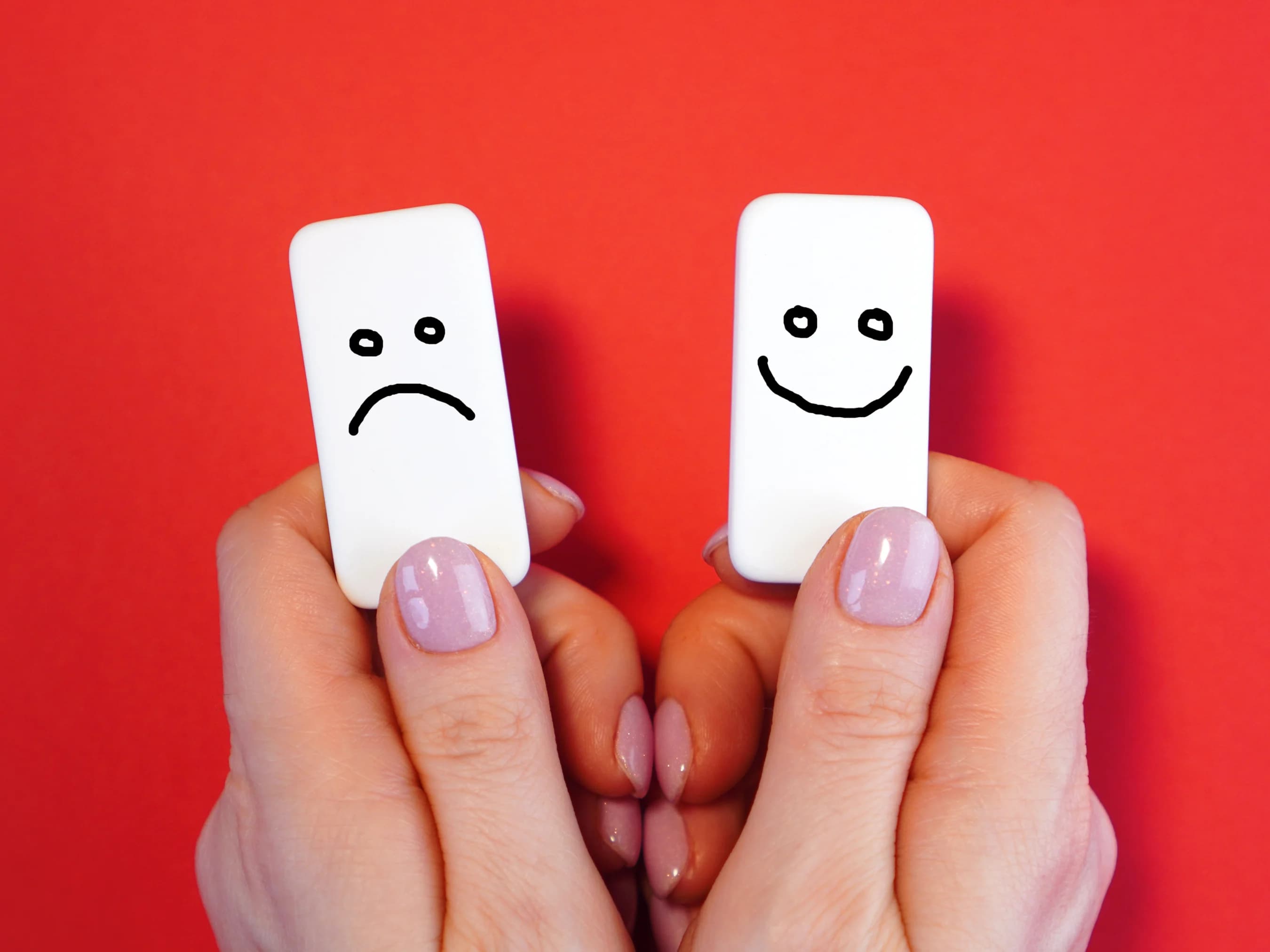
Pregnancy mood swings can make you laugh one minute and cry the next. Understanding what causes these emotional shifts, when they typically start, and how to manage them can help you stay balanced and reassured throughout your pregnancy journey.
If you have ever laughed at a commercial one minute and cried over a burnt piece of toast the next, welcome to the rollercoaster of pregnancy mood swings! These emotional twists and turns can make you feel like you are starring in your own drama series, and that’s perfectly normal.
During pregnancy, your body is working overtime to grow a baby, and that means hormones like estrogen and progesterone are also running the show. These hormonal surges, along with other changes, can all contribute to your shifting moods.
Mood swings are your body’s natural way of adjusting to this incredible journey. So if your emotions seem to have a mind of their own, take heart, it’s all part of the beautiful (and sometimes unpredictable) adventure of motherhood.
Key Takeaways
Pregnancy mood swings are mainly triggered by hormonal changes that affect the brain’s emotional balance.
Mood swings often begin in the first trimester but can appear or reappear at any stage of pregnancy.
You can manage mood swings by prioritizing rest, healthy eating, gentle exercise, and emotional support.
Persistent sadness or anxiety may signal prenatal depression, which requires professional care and support.
Many moms describe pregnancy mood swings as sudden emotional highs and lows that are completely normal.
What Causes Pregnancy Mood Swings?
Let’s be honest, pregnancy hormones can feel like the world’s most unpredictable DJ, switching your emotional playlist from “happy dance” to “tearful ballad” without warning. But here's the science behind the chaos.
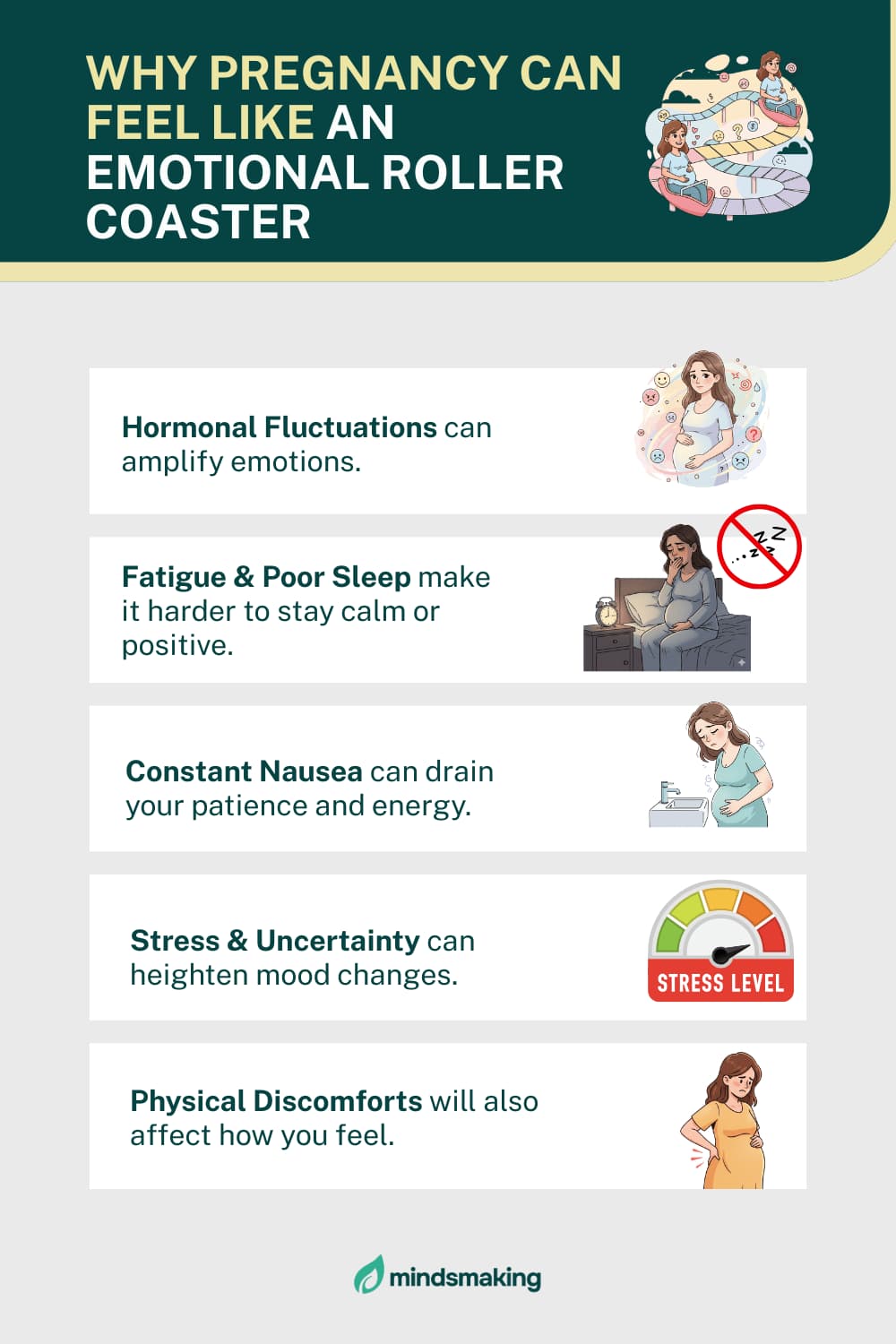
As your body adjusts to support your growing baby, it’s normal to feel emotionally off-balance from time to time. Here are some common causes behind those sudden shifts:
- Hormonal fluctuations like rising levels of estrogen and progesterone can intensify feelings of joy, anxiety, or irritability.
- Fatigue and poor sleep. It’s hard to stay cheerful when you are constantly tired or uncomfortable.
- Morning sickness that keeps you feeling nauseated all day can wear down your patience and mood.
- Stress and uncertainty. Worries about your baby, body, or future can make emotions run high.
- Physical changes that cause aches, bloating, and shifts in body image can all play a role.
When Do Pregnancy Mood Swings Start?
Mood swings can begin as early as the first few weeks of pregnancy, sometimes even before you realize you are expecting. Those early hormonal surges that help your body nurture a new life can also make your emotions swing from laughter to tears faster than you can say “cravings.” One moment, you are excited about baby names, and the next, you are sobbing because your favorite shirt doesn’t fit. It’s all part of the adjustment.
However, the timing varies from woman to woman. Some moms-to-be feel emotionally wobbly in the first trimester, while others stay calm early on and notice mood changes only later. Typically, mood swings are most common in the first trimester, settle down a bit in the second trimester, and then sometimes return in the third trimester as the reality and weight of late pregnancy set in. So if your emotions seem to come and go like waves, remember, your body is simply adjusting to the incredible journey of motherhood.
How Can I Manage Pregnancy Mood Swings?
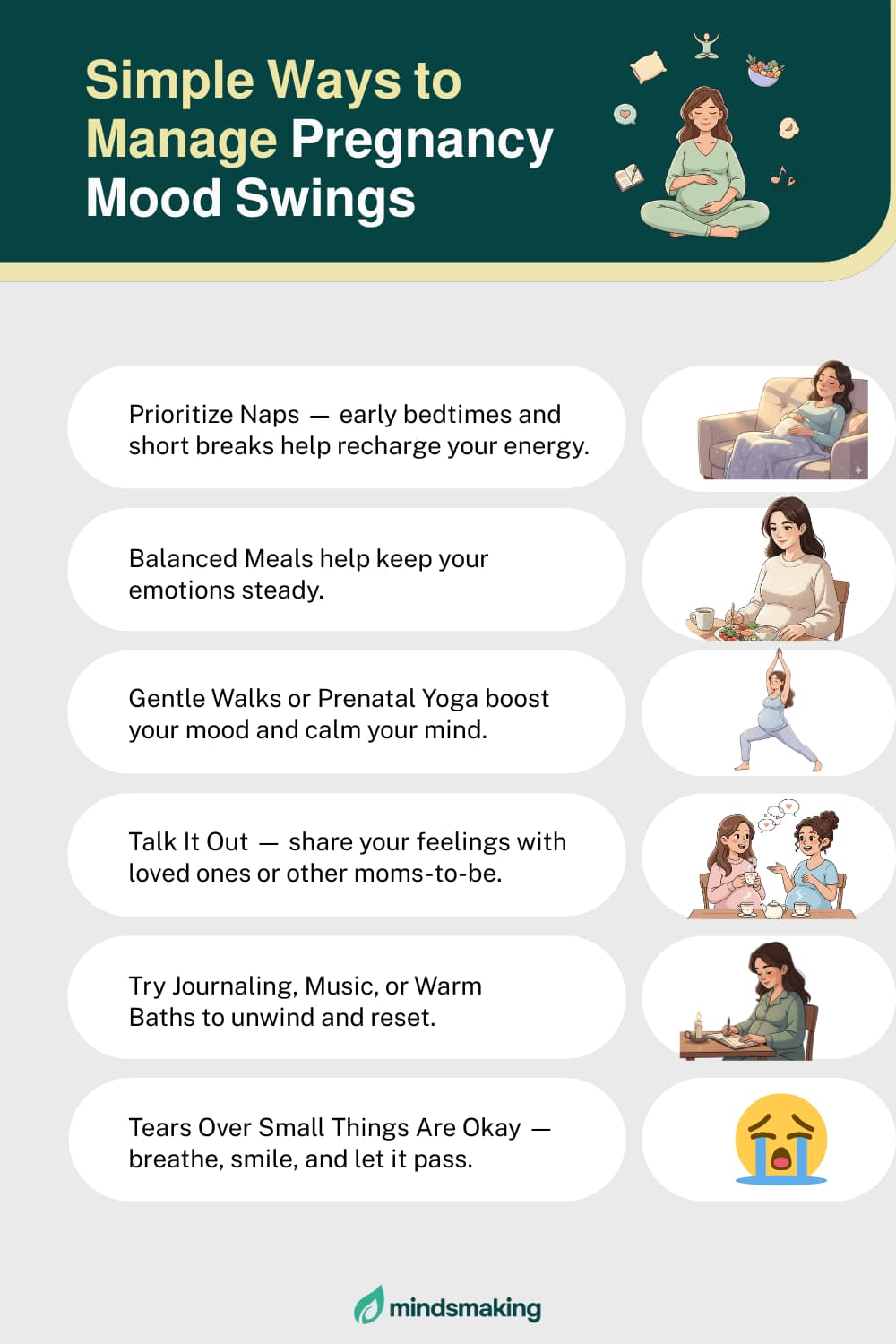
The good news is that while you cannot completely stop pregnancy mood swings, you can learn to ride the emotional waves with a bit more balance and grace. Managing your moods is about caring for both your body and mind and showing yourself the same kindness you would offer a dear friend. Here are a few helpful ways to cope:
- Prioritize rest. A tired body equals a cranky mind, so try naps, early bedtimes, and relaxation breaks.
- Eat balanced meals. Steady blood sugar helps steady emotions, so don’t skip meals, and yes, snacks count!
- Move your body. Gentle exercises, such as prenatal yoga or short walks, release feel-good endorphins.
- Talk it out. Share your feelings with your partner, friends, or other moms-to-be.
- Find your calm. Try journaling, listening to music, or indulging in a warm bath to unwind.
- Remember, a sense of humor goes a long way. So if you find yourself crying over a spilled smoothie, just smile, breathe, and remind yourself that it’s all part of the pregnancy journey.
Read This Next
No posts available
What if I Can’t Shake My Moodiness?
It’s completely normal to have emotional ups and downs during pregnancy, but if the sadness, anxiety, or irritability feels heavier than usual or just won’t go away, it might be more than typical mood swings. Persistent or intense negative emotions can sometimes signal prenatal depression or anxiety, which are medical conditions, not personal failings. They are treatable and nothing to be ashamed of.
Pregnancy brings enormous physical and emotional change, and sometimes your body’s chemistry simply needs extra support to stay balanced. Recognizing the signs early helps you get the right care for both you and your baby.
Signs of Prenatal Depression
If you notice any of the following signs lasting more than two weeks, it’s worth talking to your doctor or midwife:
- Feeling sad, hopeless, or empty most of the time
- Losing interest in things you normally enjoy
- Trouble sleeping or sleeping too much
- Difficulty concentrating or making decisions
- Changes in appetite or energy levels
- Feeling anxious, guilty, or worthless
- Withdrawing from loved ones
- Thoughts of harming yourself or feeling your baby would be better off without you.
Seeking help is a sign of strength, not weakness. Talking to a healthcare professional can lead to real relief and better emotional well-being. With the right support, therapy, lifestyle adjustments, or sometimes medication, many women feel significantly better. Remember, caring for your mental health is one of the most loving things you can do for yourself and your baby.
What Moms Say About Pregnancy Mood Swings
Pregnancy mood swings may feel like a personal rollercoaster, but research shows that many women experience the same emotional highs and lows. Across studies and surveys, expectant mothers describe mood as changes that swing from joy to irritation in seconds, often without warning.
In a qualitative study of 423 pregnant and new mothers, researchers found two main emotional patterns: mood instability with constant change, and low mood with parenting anxiety, often tied to concerns about motherhood and the baby’s well-being.
Real-life voices bring these findings to life. One mom admitted, “I would fluctuate through extreme highs and lows,” while another said, “Tiredness makes me have mood swings.” Others confessed that even small annoyances, like customer service calls, could spark tears or frustration. For example, a mom said they noticed they had less patience for everyday tasks, and another described that throughout their pregnancy they were “more irritable at times, when something happens that I wish was different or more straightforward when dealing with customer service”.
Similarly, a Polish survey of 588 women revealed that negative emotions were strongest in the first trimester, particularly among younger women or those with limited social support. In contrast, positive emotions were more intense in the third trimester. Women who felt emotionally supported by partners or family reported fewer mood disturbances overall.
Together, these voices and studies remind us that mood swings are not a flaw or weakness, they are a shared, temporary, and very human part of the pregnancy journey.
Pregnancy by Week
Welcome to the enchanting journey of motherhood, where every week unfolds a new chapter of anticipation, growth, and wonder.




Frequently Asked Questions
How long do mood swings last during pregnancy?
Mood swings can appear as early as the first few weeks of pregnancy and may come and go throughout. For some women, they ease during the second trimester and may return briefly in late pregnancy.
Are mood swings a normal part of pregnancy?
Mood swings are a completely normal part of pregnancy. They’re your body’s natural response to hormonal changes, physical discomfort, and emotional adjustments.
Do mood swings get worse in late pregnancy?
Mood swings can get worse in late pregnancy. In the third trimester, mood changes sometimes return due to fatigue, body aches, and anxiety about labor and motherhood.
Will mood swings continue after childbirth?
Some women experience emotional ups and downs after birth, known as the “baby blues.” These usually fade within two weeks, but if sadness or anxiety persists, it may be postpartum depression and needs medical attention.
Can mood swings be the first sign of pregnancy?
For some women, mood swings are among the first noticeable signs of pregnancy, appearing even before a missed period due to early hormonal shifts.
Can mood swings hurt my baby?
Normal mood swings won’t harm your baby. However, prolonged stress or depression should be discussed with your doctor, as managing your emotional well-being supports both you and your baby’s health.
Can certain foods help reduce mood swings?
Certain foods can help reduce mood swings. Eating balanced meals rich in protein, complex carbs, omega-3s, and leafy greens helps stabilize blood sugar and support a steadier mood.
Is it safe to take antidepressants during pregnancy?
Some antidepressants are considered safe, but decisions should always be made with your healthcare provider. Never start or stop medication without professional guidance.
Are mood swings linked to the baby’s gender?
No scientific evidence supports that mood swings indicate your baby’s gender, that’s just an old wives’ tale.
Do all women experience pregnancy mood swings?
Not all women do. Every pregnancy is different, some women feel calm throughout, while others notice more emotional ups and downs.
Was this article helpful?
How many stars are you giving this article?
Leave a comment
Your email address will not be published.