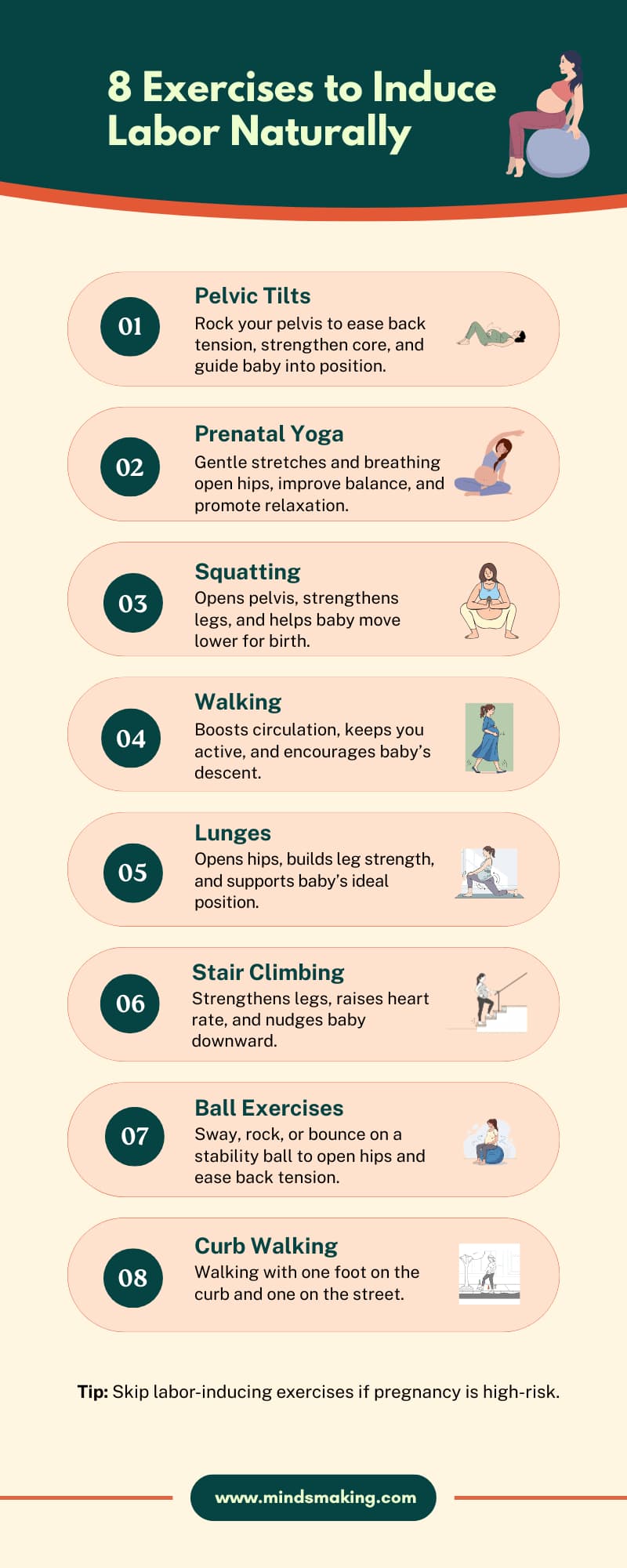
8 Exercises To Help Induce Labor

Written by Mindsmaking Medical Writer

Fact Checked by Mindsmaking Professionals
18th, September, 2025
As labor approaches, gentle exercises and movements can prepare your body, boost flexibility, and ease the process—helping delivery feel smoother, more manageable, and more comfortable.
Gentle, safe exercises during late pregnancy can be a natural way to help the body get ready for labor. Activities such as walking, light stretching, yoga, and gentle squats may encourage the baby to settle into an ideal position and stimulate the body’s readiness for contractions.
These movements also strengthen muscles, improve flexibility, and enhance pelvic alignment, all of which can contribute to a smoother delivery. It also promotes blood circulation, boosts energy, and supports your emotional well-being.
Before you begin, remember to choose movements that feel comfortable and avoid stress. Here are some gentle, safe exercises you can try, along with how each one can help you feel stronger, more flexible, and ready for labor.
Key Takeaways
Gently rocking your pelvis can ease lower back tension and help your baby into a better birth position.
Gentle stretches and mindful breathing can improve comfort, balance, and calm in late pregnancy.
Squatting opens the pelvis and helps your baby move lower in preparation for labor.
Walking keeps your body active, boosts circulation, and encourages a labor-ready baby position.
Lunges strengthen your legs and hips while improving flexibility for labor readiness.
Stair climbing strengthens your legs and encourages your baby’s downward movement.
Ball exercises ease back tension and open the hips while helping position your baby for birth.
Swimming supports your body in water, easing joint strain while working major muscles.
Avoid these exercises if your pregnancy is high-risk or if your doctor advises against them.
Pelvic Tilts
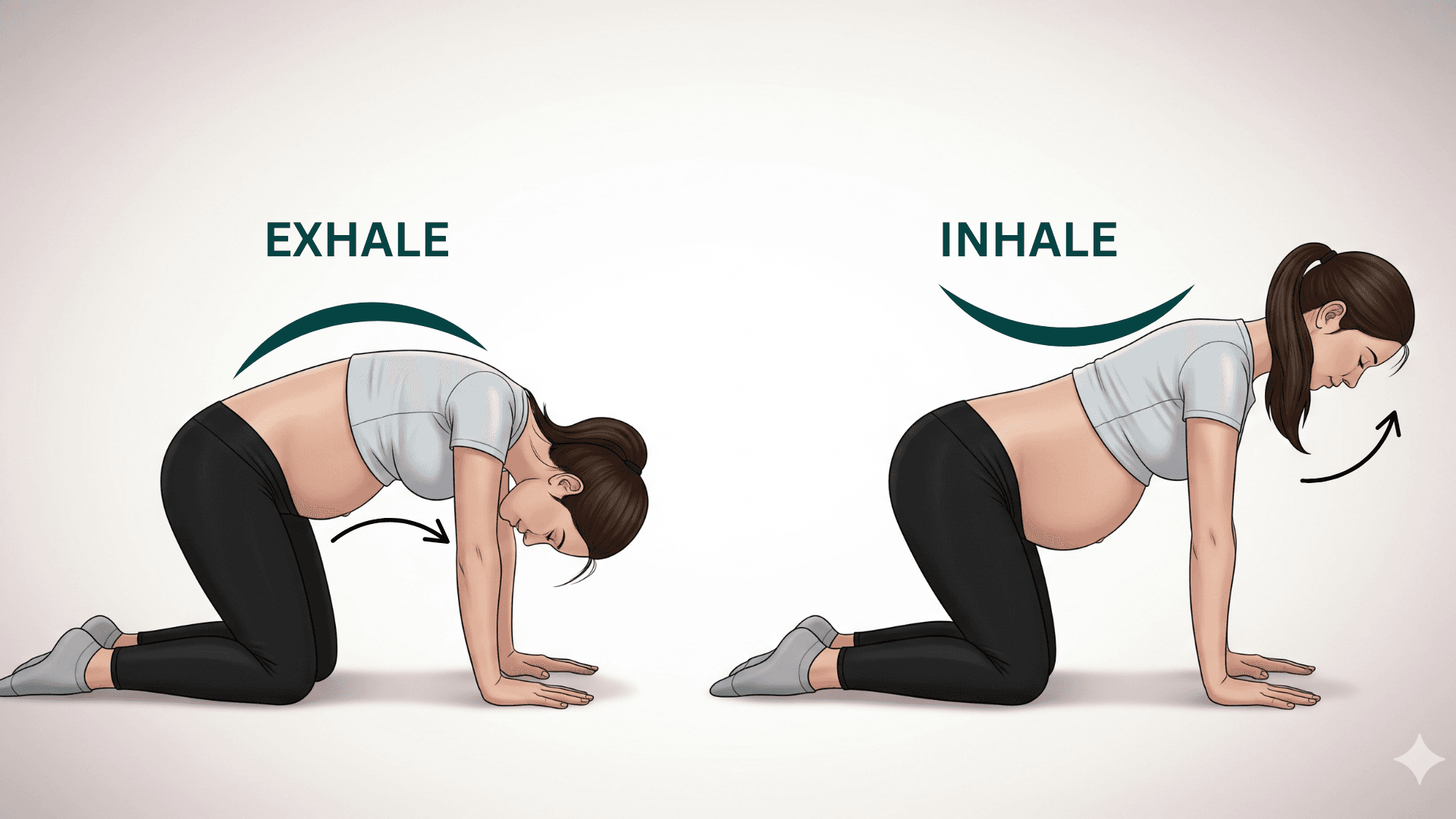
Pelvic tilts are like a gentle love letter to your lower back, a small move with big relief. By rocking your pelvis forward and back, you are easing tension, strengthening your core, and giving your baby a subtle nudge toward a better position for birth. Think of it as coaxing them into the VIP section of the uterus.
To try it, get on your hands and knees (yes, like a cat about to pounce), then slowly tuck your hips under and round your back, exhaling as you go. Return to a neutral spine and repeat at your own pace. You can also stand with your back against a wall and gently press your lower back flat, as if trying to hide your imaginary tail.
What to avoid: No dramatic arching, this isn’t a gymnastics floor routine. Skip jerky movements, and never hold your breath. Keep it slow, smooth, and pregnancy-friendly.
Prenatal Yoga
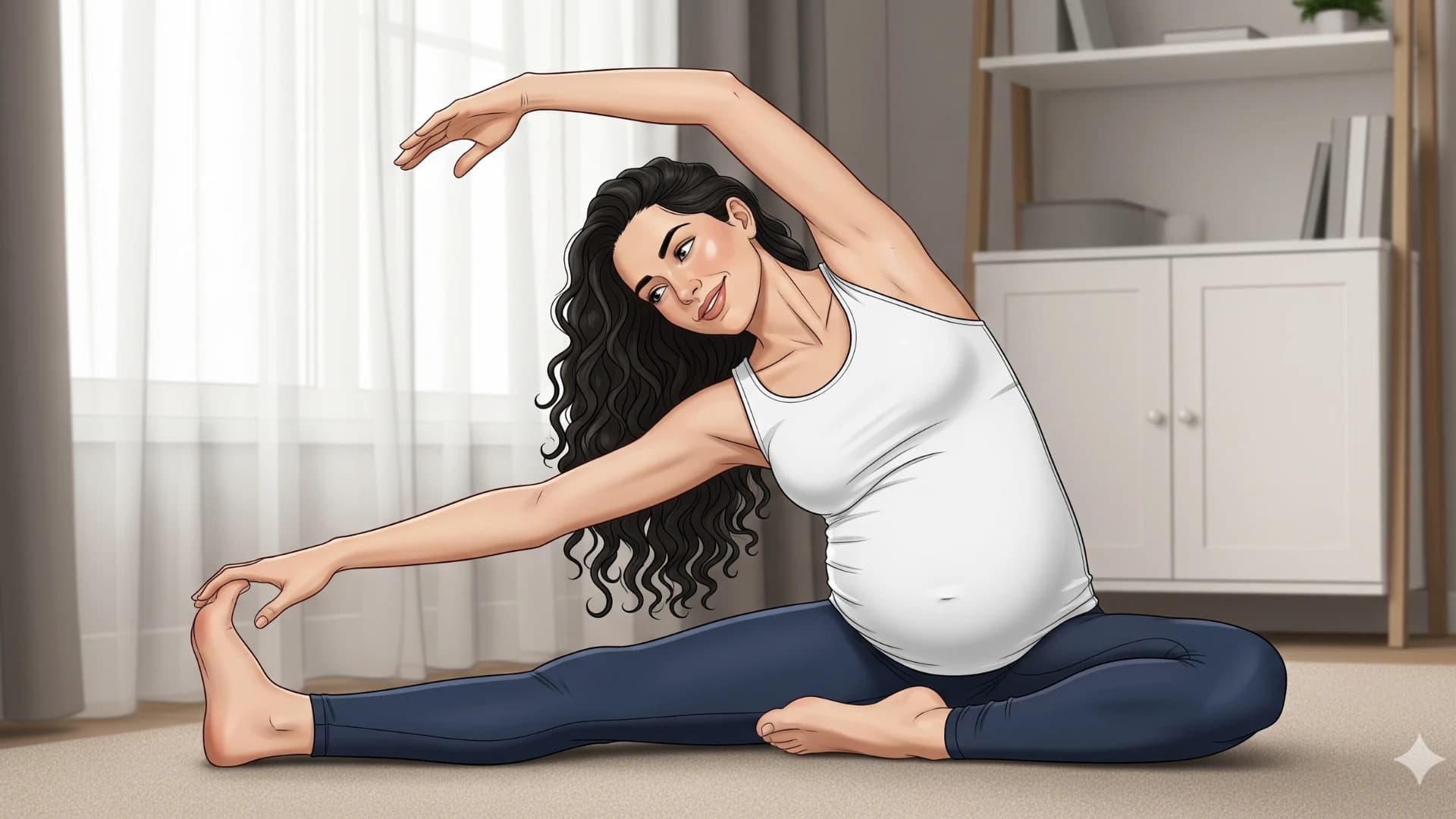
Prenatal yoga is like giving your body and mind a mini vacation. It’s a mix of gentle stretches, breathing, and mindful movement that helps you release tension and prepare for labor. It’s not about bending into pretzel shapes; it’s about finding comfort, balance, and calm while your body works hard growing a tiny human.
To try it, join a prenatal yoga class or follow a pregnancy-safe video at home. Focus on poses that open the hips, stretch your back, and promote deep breathing, like butterfly pose, child’s pose, and supported squats.
What to avoid: Skip hot yoga (you’re not roasting dinner), deep twists, and belly pressure. Move slowly, breathe deeply, and stop if anything feels uncomfortable.
Read This Next
No posts available
Squatting
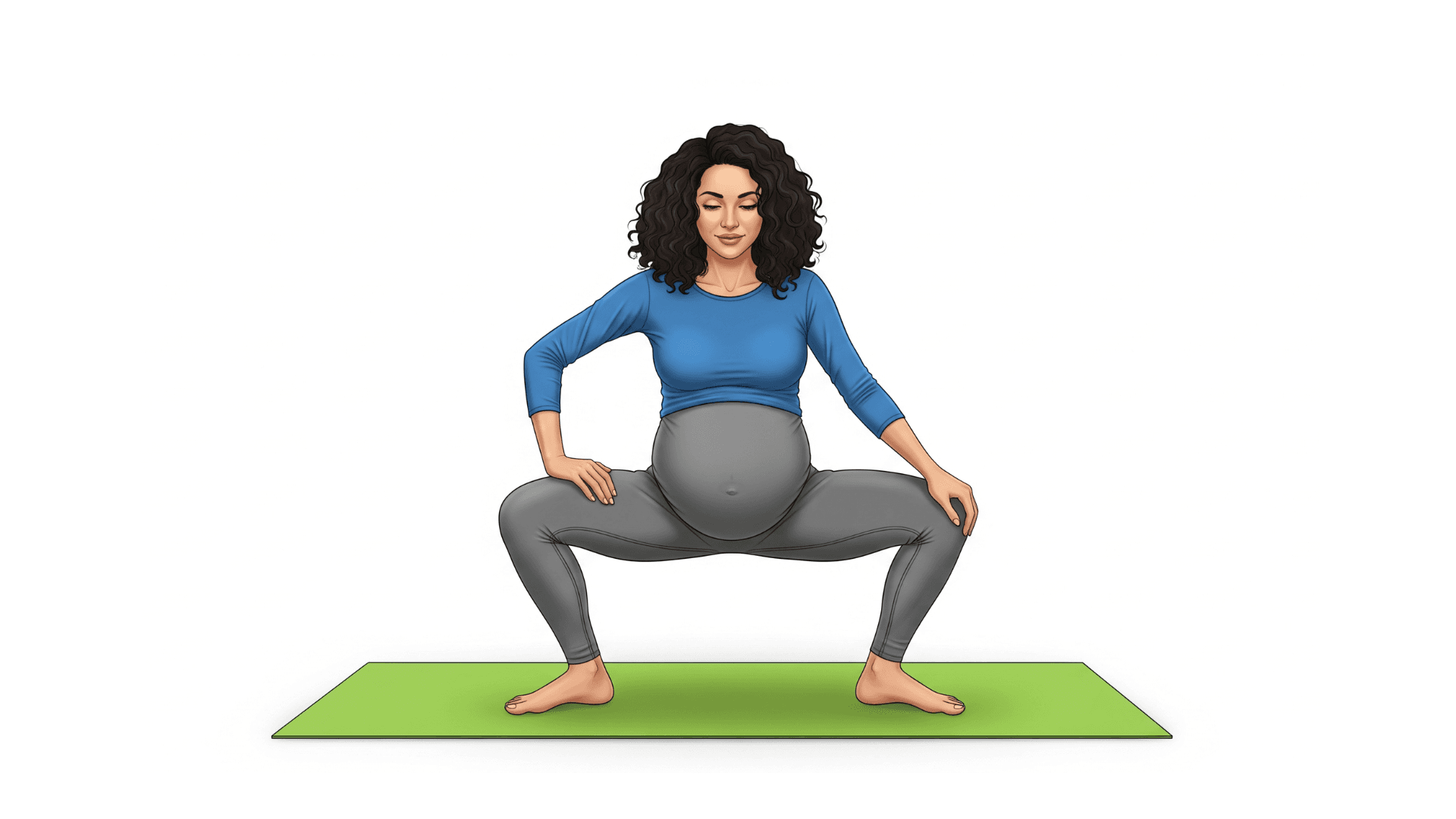
Squatting is one of those wonderfully simple moves that can work magic during pregnancy. It opens the pelvis, strengthens your legs, and helps your baby move lower in preparation for birth. Think of it as a welcome mat for labor, plus a mini workout that keeps you strong for delivery day.
To try it, stand with your feet shoulder-width apart, toes slightly out, and slowly bend your knees as if you are about to sit on an invisible chair. Keep your chest lifted and your heels on the floor. Hold for a few breaths, then rise back up.
What to avoid: Don’t bounce or drop down too quickly, and avoid squatting for long periods if it causes discomfort or pressure.
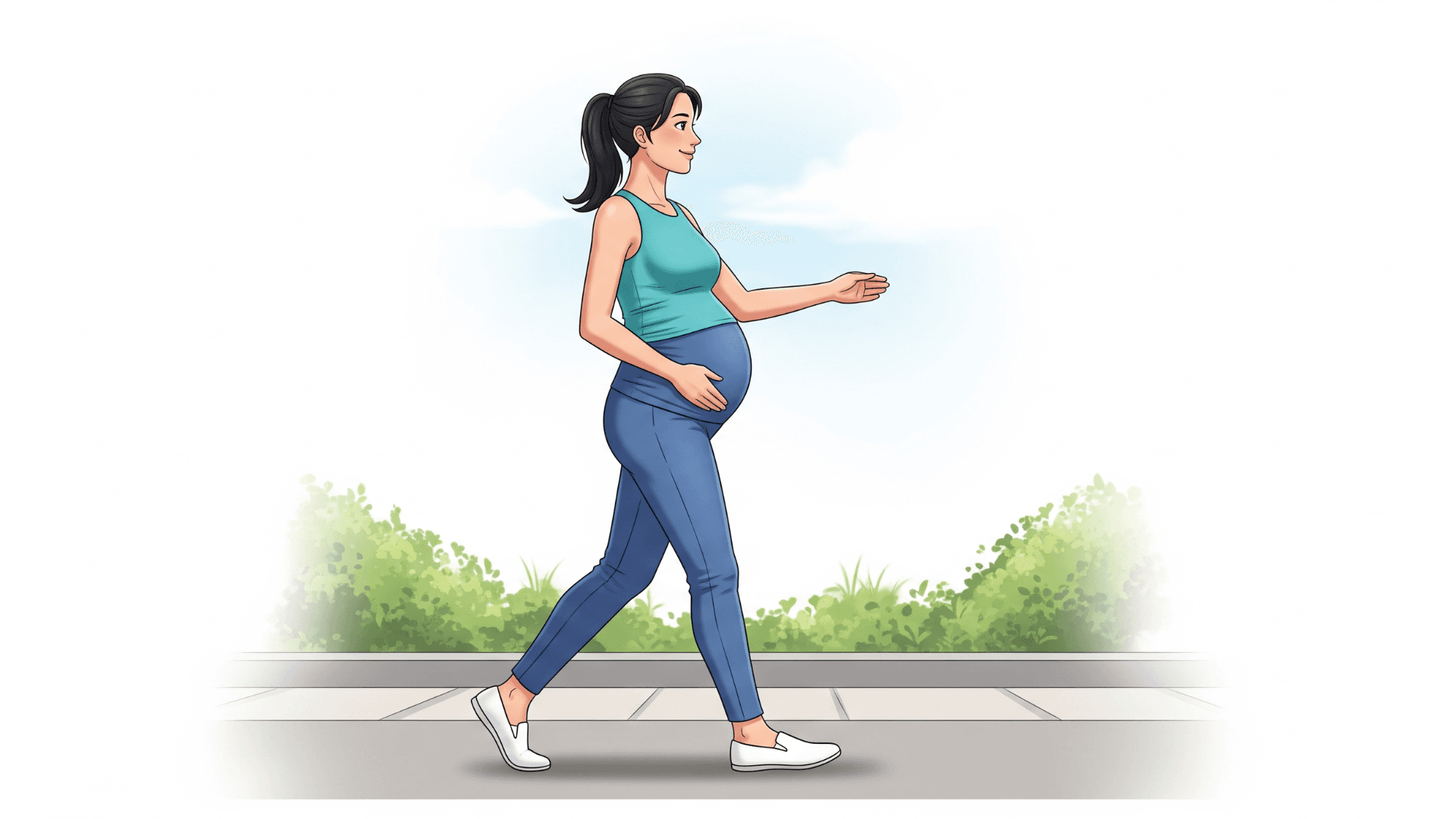
Walking
Walking is the ultimate gentle exercise during pregnancy, no fancy gear, no special skills, just you, your comfy shoes, and maybe a good playlist. It keeps your body active, boosts circulation, and encourages your baby to settle into a labor-ready position. Plus, it is a great excuse to soak in fresh air and clear your head before the big day.
To try it, aim for a steady, comfortable pace and swing your arms naturally. You can stroll around your neighborhood, wander through a park, or even walk laps indoors if the weather is uncooperative.
What to avoid: Skip uneven or slippery surfaces, overexertion, and marathon-level distances. Listen to your body; this is about progress, not breaking records.
Lunges
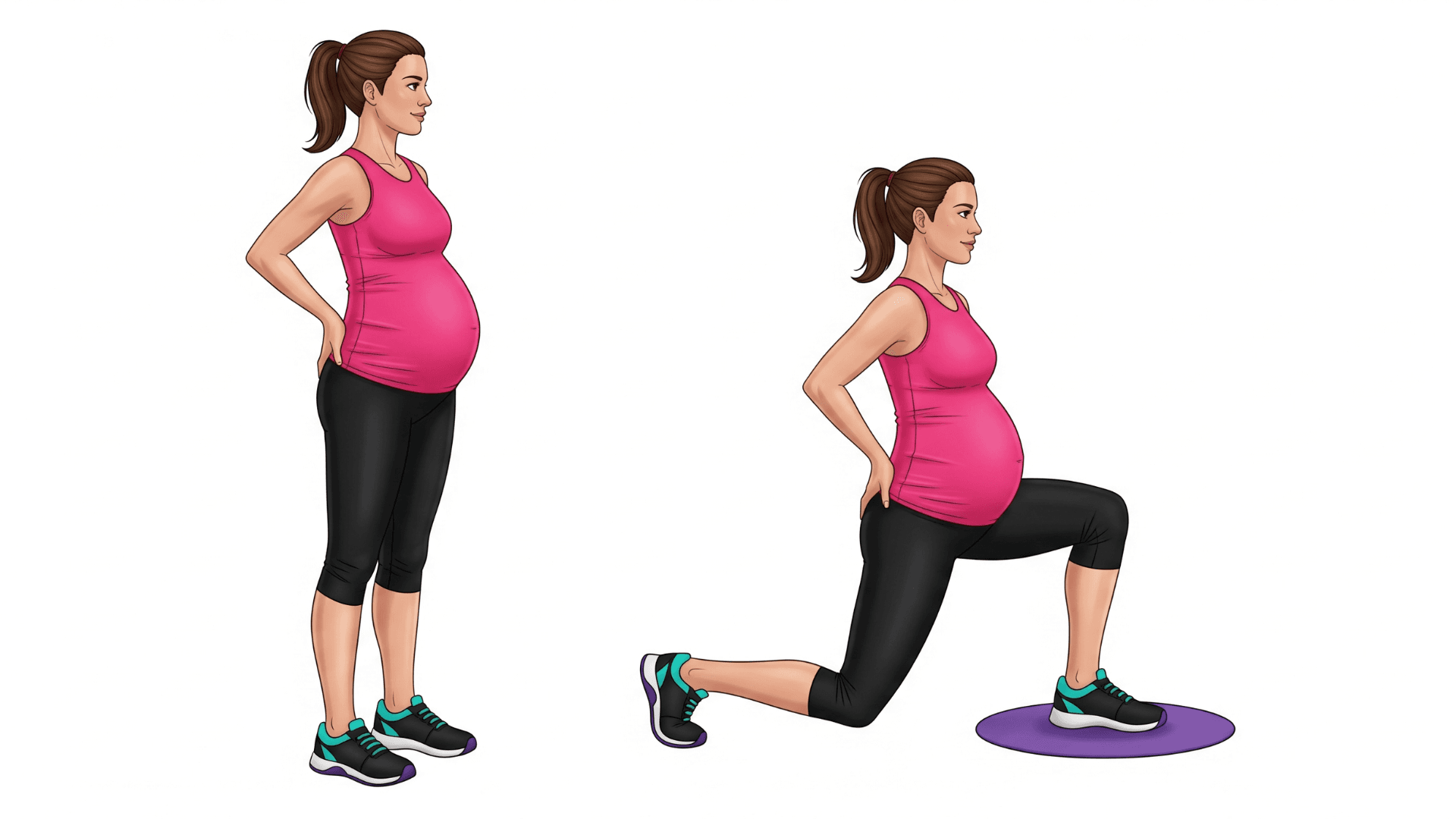
Lunges are a fantastic way to open your hips, strengthen your legs, and gently encourage your baby to move into a good position for birth. They also help improve balance and flexibility, skills that come in handy when you are navigating the final weeks of pregnancy. Think of them as a graceful step toward labor readiness.
To try it, stand tall, take a generous step forward, and bend both knees (think elegant, not clumsy pirate). Keep your chest lifted, then push back to standing and switch sides.
What to avoid: Skip deep or fast lunges, overstriding, and any movement that feels wobbly or causes pelvic pain.
Stair climbing
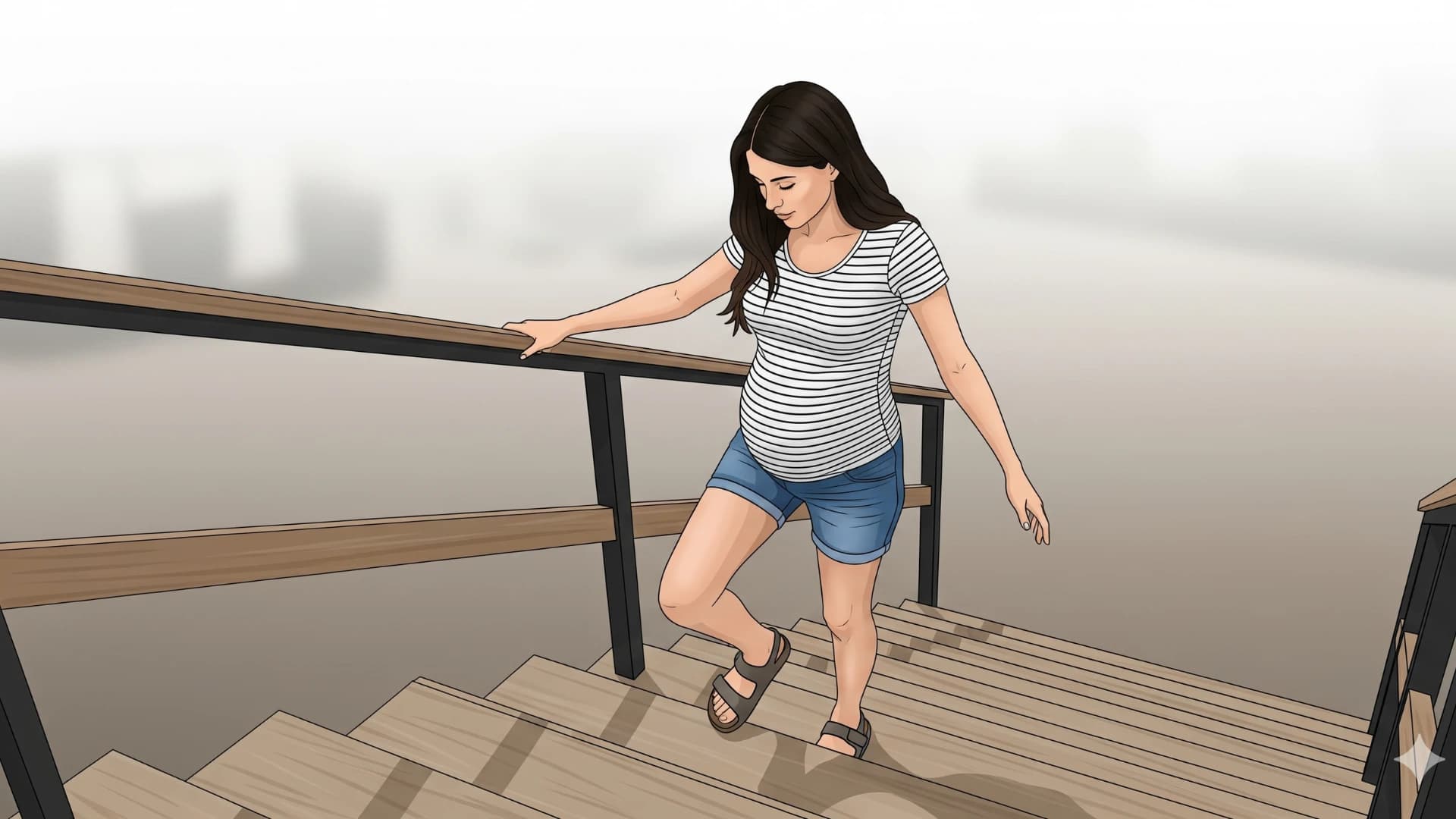
Stair climbing is like walking’s overachieving cousin. It gets your heart pumping, strengthens your legs, and gives your baby a gentle downward nudge. Plus, it’s practical training for all the times you’ll be hauling laundry, snacks, or a toddler up and down those steps in the future.
To try it, hold the railing for balance and take it slow, placing your whole foot on each step. You can go one step at a time or alternate with a gentle side-step for extra hip opening.
What to avoid: No racing to the top like you are in a movie montage. Skip steep or uneven stairs, and stop if you feel breathless, dizzy, or like your legs have staged a protest.
Hip Circles on a Birthing Ball
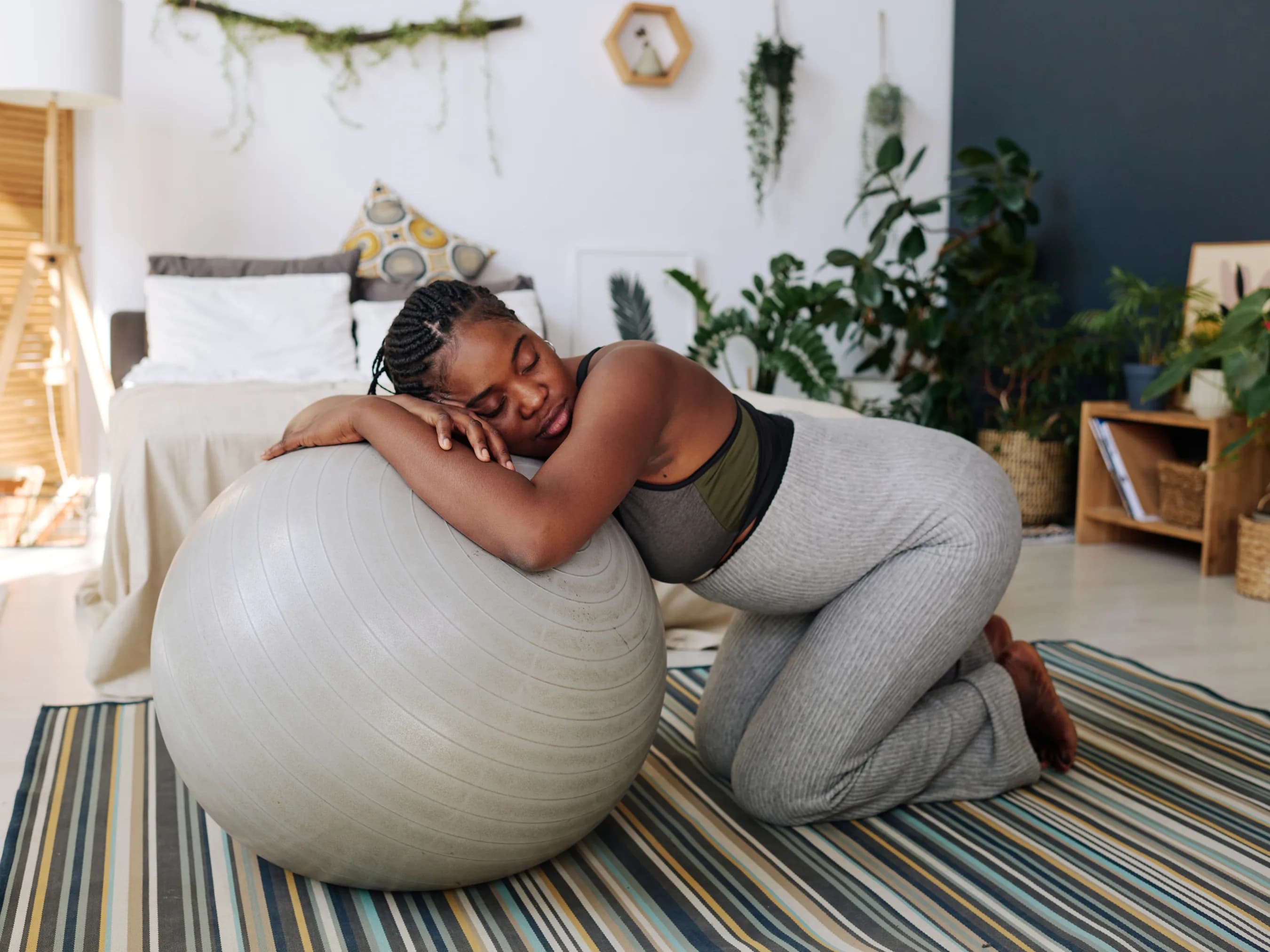
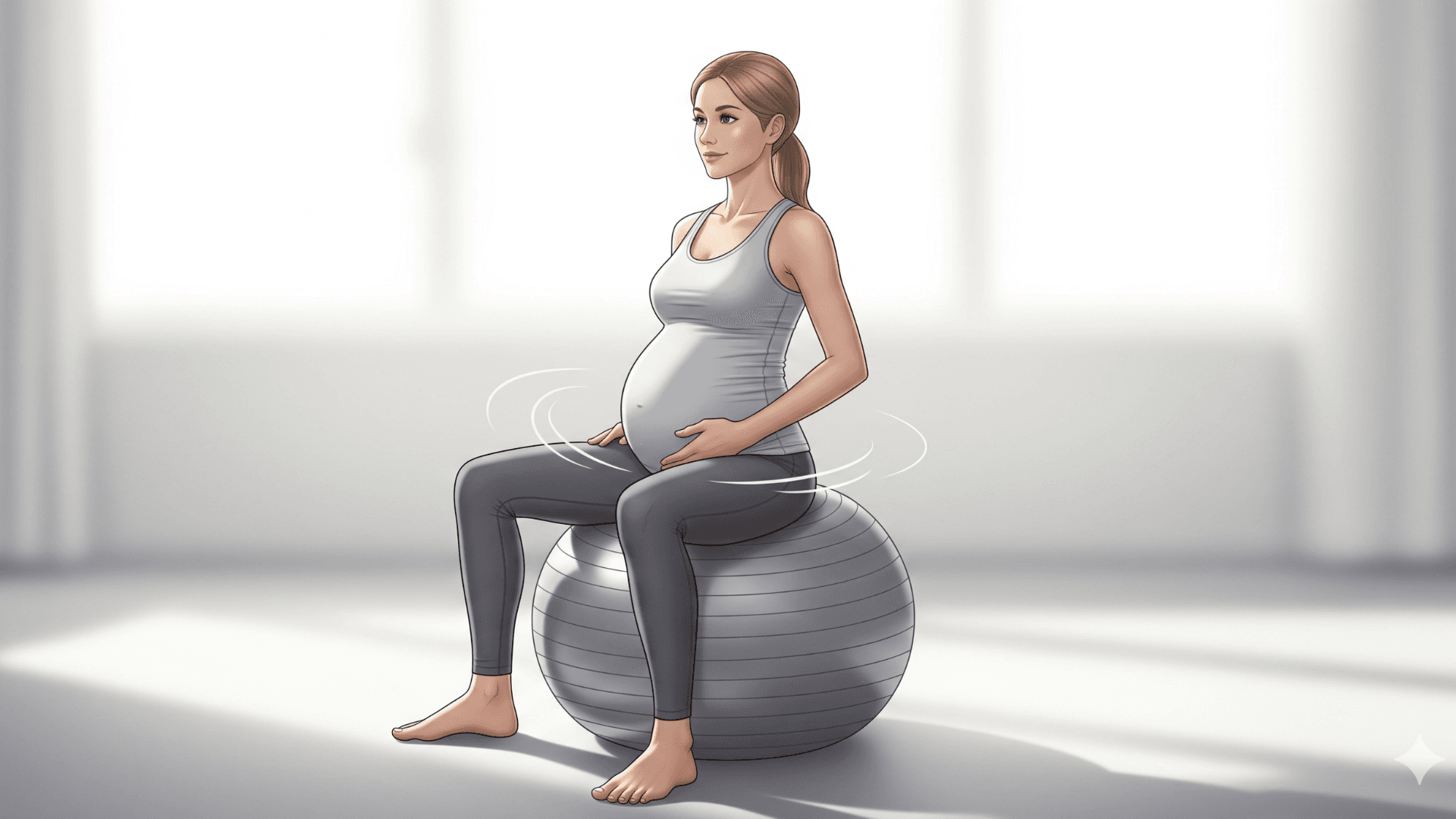
Ball exercises are the pregnancy version of sitting on a throne, except your throne is a big, bouncy stability ball that works your muscles while keeping you comfy. Gentle bouncing, hip circles, or rocking on the ball can ease back tension, open your hips, and coax your baby into a prime position for birth. Bonus: it’s oddly fun, like a playground for grown-ups.
To try it, sit with your feet flat on the floor, knees at a 90° angle, and spine tall. Gently sway side to side, roll your hips in circles, or bounce lightly for a few minutes.
What to avoid: No wild bouncing like you are auditioning for a rodeo. Keep movements controlled, and avoid if you feel unsteady or dizzy.
Curb Walking
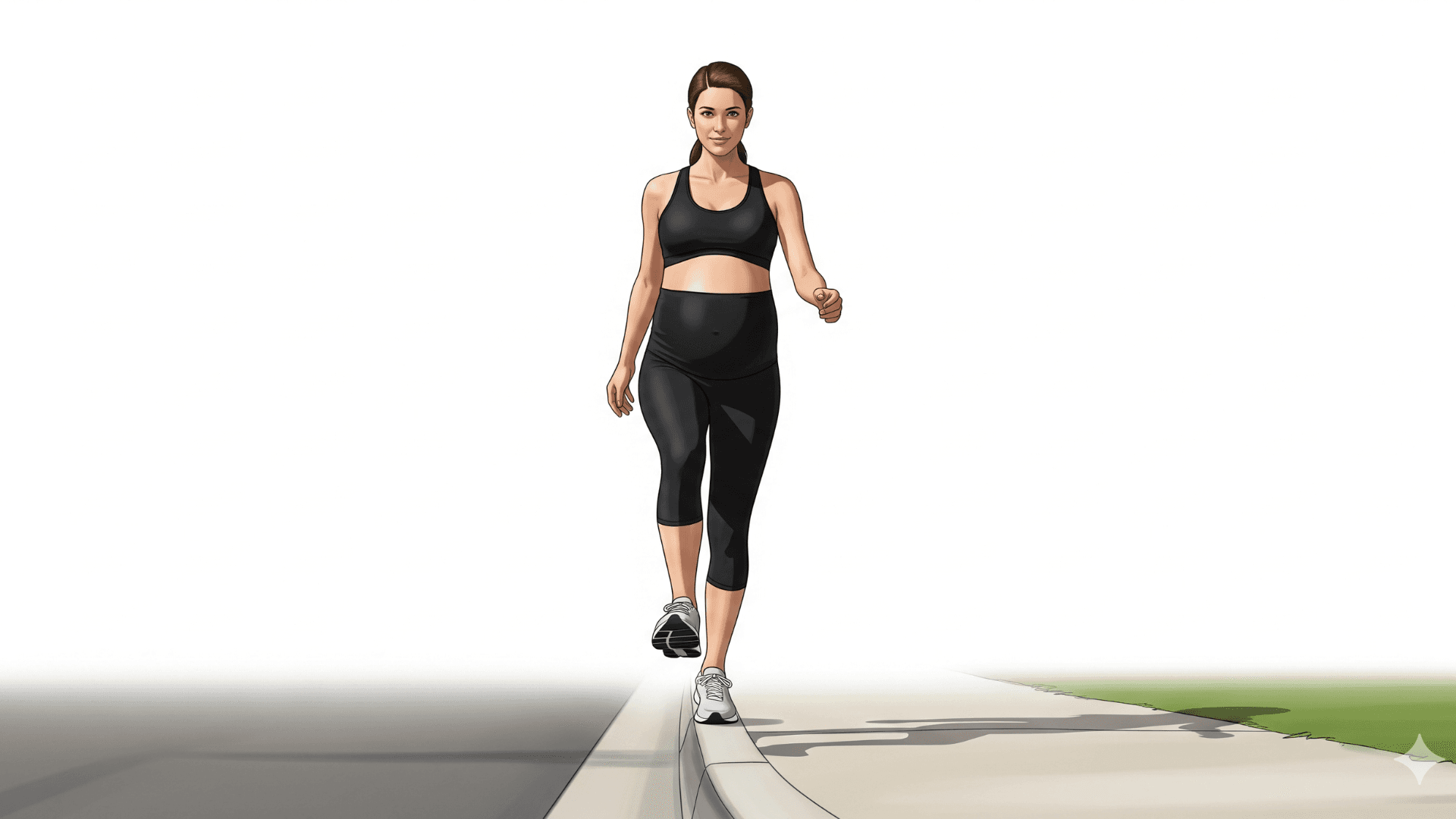
Curb walking is exactly what it sounds like: walking with one foot on the sidewalk curb and the other on the street. This creates a natural tilt in your pelvis, similar to rocking your hips side to side with each step. That uneven movement helps open your hips and gently encourages your baby to move downward into position for labor.
It’s like giving your little one a “gentle slide” into the birth canal without doing anything too intense. Many moms swear by it as a way to get things moving when they’re ready to meet their baby. Plus, it doubles as a light walk, so you’re staying active while working with gravity.
What to Avoid: Avoid curb walking on uneven, busy, or poorly lit streets, as you could trip or lose balance. Safety first for you and baby!
When Should You Avoid Exercises to Induce Labor?
Exercises to encourage labor can be helpful, but they are not safe for everyone. If your pregnancy is high-risk, your doctor has advised bed rest, or you have conditions like placenta previa, preeclampsia, uncontrolled high blood pressure, or preterm labor risk, it is best to skip them. You should also avoid these exercises if you are carrying multiples with complications, have unexplained vaginal bleeding, or if your baby is in a breech or transverse position late in pregnancy.
Always get the green light from your healthcare provider before trying any labor-inducing moves; what’s safe for one mom might not be safe for another. If you are unsure, it’s safer to take it easy and prioritize rest rather than taking risks.
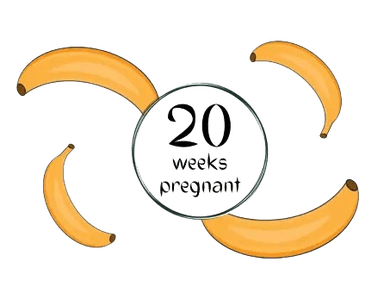
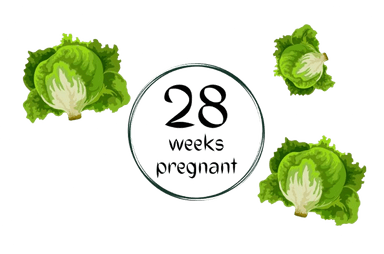
Pregnancy by Week
Welcome to the enchanting journey of motherhood, where every week unfolds a new chapter of anticipation, growth, and wonder.


























Frequently Asked Questions
What is the best sitting position to induce labor?
Upright, forward-leaning positions, like sitting on a birthing ball, can help open your pelvis and encourage your baby to move lower. Avoid slouching back into deep couches, as this can make it harder for your baby to get into an optimal position.
When is it safe to do exercises that induce labor?
These exercises are generally safest after 39 weeks, when your baby is full-term, and only if your healthcare provider has given the go-ahead. Before that point, they could increase the risk of preterm labor. Always confirm your readiness with your healthcare provider first.
How often should I do these exercises to induce labor?
Light, daily sessions of 15 to 30 minutes can be enough, depending on your comfort and energy levels. The goal is consistency, not intensity, so focus on steady, gentle movements rather than pushing too hard. Rest days are fine if you feel sore or tired.
What other natural methods can I try to induce labor?
Some women try nipple stimulation, acupressure, warm baths, or eating certain foods like dates or spicy meals. Walking, relaxation techniques, and sex (if approved) can also help trigger labor hormones. However, none are guaranteed, and safety should come first. Always get the approval from your healthcare provider before trying any labor-inducing moves.
Can breathing exercises induce labor?
Breathing exercises alone may not start labor, but they can help you relax, lower stress hormones, and allow oxytocin (the labor hormone) to work more effectively. Slow, deep breathing can also make contractions more manageable once labor begins.
How long after doing these exercises will labor start?
It varies. Some women may notice signs within hours, while for others, it may take days or not happen at all. These moves can encourage progress but will not force your body into labor before it’s ready.
What should I do if I feel pain or unusual symptoms during exercises?
Stop immediately, sit or lie down, and monitor your symptoms. If you experience bleeding, severe cramps, fluid leakage, or dizziness, contact your healthcare provider right away.
Can my partner help with labor-inducing exercises?
Your partner can offer physical support during squats or lunges, help you balance, or guide gentle stretches. Their encouragement can also make the process more enjoyable and less tiring.
Will these exercises make labor shorter?
They may help your baby get into an optimal position, which can lead to smoother and potentially shorter labor. While there is no guarantee, being fit, mobile, and well-positioned before labor starts can make contractions more effective.
Was this article helpful?
How many stars are you giving this article?
Leave a comment
Your email address will not be published.