How to Set Gentle but Firm Boundaries as a New Mom
Monkey Business Images

Written by Mindsmaking Creative Writer

Fact Checked by Mindsmaking Professionals
9th, September, 2025
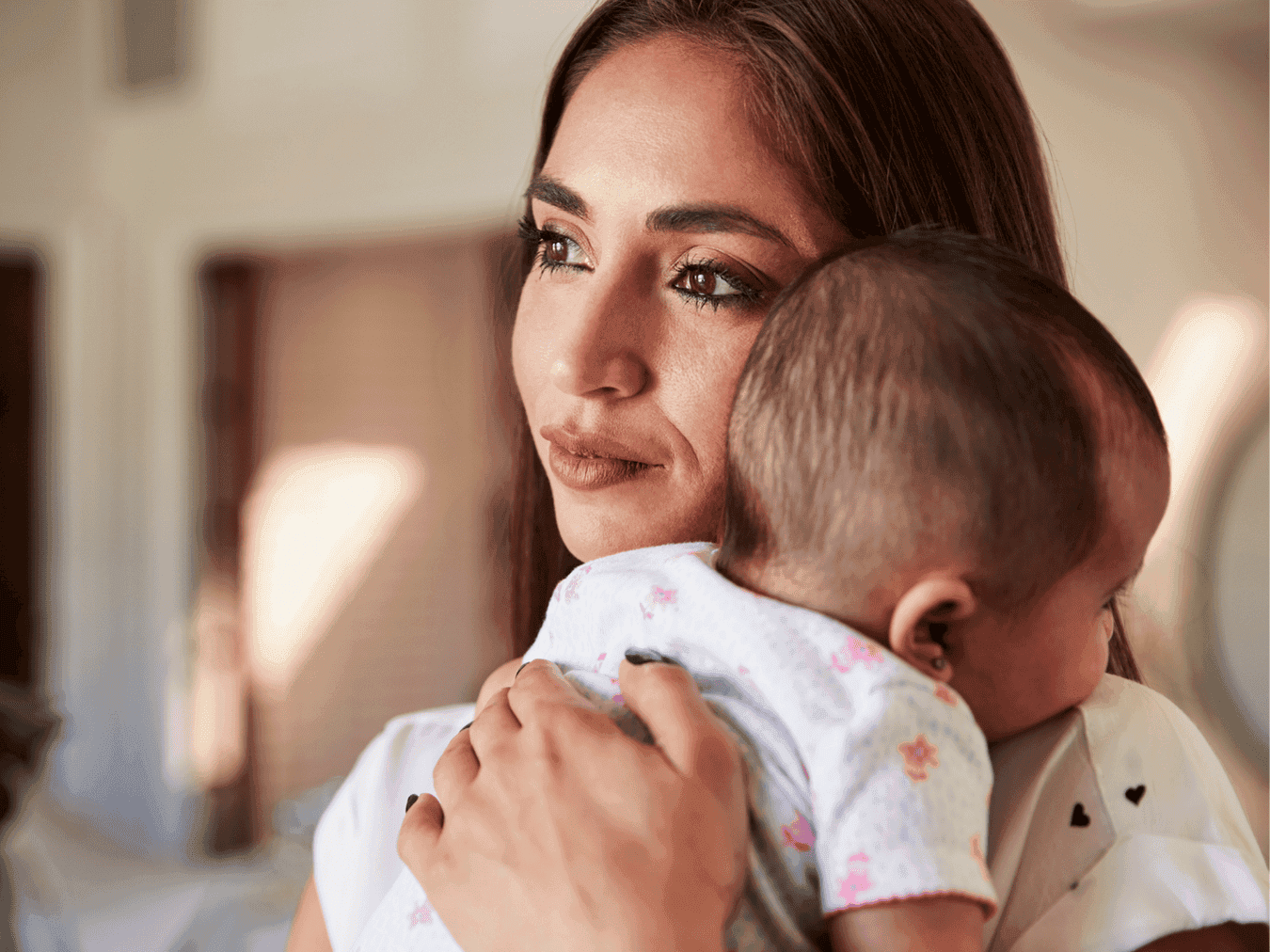
As a new mom, setting boundaries is essential for protecting your peace and emotional health. Discover practical tips for navigating postpartum challenges, saying no with confidence, and prioritizing self-care while managing your new role.
Sometimes new moms are suddenly expected to do it all: care for their baby, manage their home, and still be the best version of themselves. But the truth is, Motherhood doesn’t come with a manual, and no one can do it all perfectly, especially when you're navigating the exhaustion and emotional rollercoaster of your new reality.
It’s time to let go of the idea that you have to give everything without boundaries. Rest isn’t weakness, it’s a necessity. Saying no is a form of self-care, not selfishness. And asking for help isn’t a burden, it’s a lifeline to your well-being.
Your healing matters. Your mental health matters. Your voice matters. It’s okay to say:
“I’m not up for visitors today.”
“I need a moment alone.”
“I need help with this load I’ve been silently carrying.”
Key Takeaways
Motherhood can be overwhelming, but setting boundaries is essential for your well-being and recovery.
Setting boundaries protects your physical and emotional health during the postpartum period.
Discuss boundaries with your partner and set expectations before your baby arrives.
Postpartum challenges like overstaying visitors and unsolicited advice can drain you if you don’t set clear boundaries.
Saying "no" is a way to protect your peace, and you don’t need to explain yourself.
When others push back on your boundaries, calmly restate your needs and focus on protecting your peace.
Setting boundaries with yourself, like limiting social media or taking breaks, is necessary for maintaining mental health.
Make boundaries a routine by checking in with yourself, practicing responses, and asking for help before you’re overwhelmed.
Setting boundaries is about respecting yourself and your needs, not pushing others away. It helps you care for your family.
Why Boundaries Matter After Childbirth
Becoming a mother is a beautiful upheaval, one that cracks your heart wide open while turning your world completely inside out. Suddenly, you’re someone’s everything… while still trying to remember who you are.
The early weeks postpartum can be physically brutal and emotionally raw. Between sleep deprivation, hormonal changes, breastfeeding struggles, and the unpredictable rollercoaster of emotions (including baby blues or even postpartum anxiety), your bandwidth is already stretched thin.
Add to that the pressure to be cheerful, available, and endlessly accommodating, and it’s no wonder so many new moms feel overwhelmed and invisible.
It’s during this fragile period that boundaries become more important than ever. Not as a way to push people away, but as a way to protect your healing, honor your baby’s routine, and make space for your emotional recovery.
Whether you’re navigating birth trauma, adjusting to your new identity, or simply trying to get a full meal in peace, boundaries are essential to your well-being.
Our culture doesn’t always make this easy. We glorify over-functioning and guilt-trip rest. We treat new mothers like public property, expecting smiles and updates on demand. But here’s what’s true: gentle doesn’t mean passive. Firm doesn’t mean unkind. Boundaries are how you care for yourself while you care for your baby.
They’re not selfish. They’re sacred.
How to Set Boundaries Before Your Baby Arrives
Boundaries don’t start after birth; they begin now. Before your baby arrives, take time to think about what kind of space you want to create in those tender early weeks. That might mean setting limits on visitors, deciding who you’re comfortable receiving help from, or writing out a gentle message to manage expectations.
Talk with your partner about how you’ll both handle requests, support, and pushback. Practice saying no now, kindly but clearly. It’ll feel easier when you’re tired and vulnerable later. Not everyone will agree with your choices, and that’s okay. Your job is to protect your peace, not please everyone.
Setting boundaries early isn’t about control but care. The more prepared you are, the more space you’ll have to rest, bond, and recover.
Common Challenges to Expect and Why They’ll Test Your Boundaries
The postpartum phase isn’t just about feeding and diaper changes; it’s also filled with situations that can quietly drain your energy and test your emotional limits:
- Visitors who overstay or ignore your baby’s routine can be draining. You smile through the visit, but you’re eagerly waiting for them to leave so you and your baby can rest.
- Unsolicited advice from well-meaning relatives can feel overwhelming. While they mean well, hearing “Back in my day…” repeatedly can make you doubt your instincts.
- The pressure to be available, both digitally and emotionally, is intense. Responding to messages and keeping up with social expectations can make you feel like you need to do it all just days after giving birth.
- A partner who doesn’t fully understand the mental and emotional load can be frustrating. Even with good intentions, they might not recognize the constant multitasking and emotional weight you carry.
These are common and normal challenges. But without boundaries, they start to build resentment, overwhelm, and exhaustion.
How to Say “No” as a New Mom Without Feeling Mean or Guilty
Setting boundaries doesn’t mean being rude; it means protecting your peace during a season that already asks so much of you. The truth is that you don’t owe long explanations. A kind, confident “no” can speak volumes. Here are some gentle but firm ways to say what you mean:
- When you need to limit visits: “We’re keeping things quiet at home this week to help with settling into our new routine. We’ll reach out when we’re ready for visitors.”
- When advice keeps coming: “Thanks for sharing your thoughts! We’re trying something that’s been working well for us, but I appreciate your input.”
- When you need more support from your partner: “I’m feeling stretched thin right now and could use some help. Can we sit down and talk about balancing things better this week?”
- When a guest doesn’t get the hint: “It’s been so lovely having you here, but I’m feeling the need to rest now while the baby naps. I hope you understand, and we’ll catch up soon!”
Boundaries like these aren’t confrontational, they’re compassionate. And the more you practice them, the more natural they’ll feel.
Read This Next
No posts available
How to Handle Pushback with Grace
Not everyone will applaud your boundaries. That’s okay. Here’s how to navigate the guilt and stand firm:
- Repeat your boundary without adding layers of explanation. You don’t need to provide a detailed defense for your decisions.
- Recognize guilt-tripping for what it is. If someone says, “But I came all this way!” acknowledge them without bending: “I really appreciate you. Today just isn’t a good day for a visit.”
- Stay connected to your “why.” Remember, you’re not being difficult, you’re protecting your recovery, your baby, and your peace.
The people who truly love you will adjust. And if they don’t? That’s feedback worth noticing.
How to Set Boundaries with Yourself
Sometimes, the hardest boundaries to set aren’t with other people, they’re with you.
As a new mom, it’s easy to fall into the trap of thinking you have to do it all, be available 24/7, and somehow “bounce back” while functioning on broken sleep. But the truth is: you can’t pour from an empty cup. And you shouldn’t have to.
This chapter of motherhood is tender, beautiful, and incredibly intense. And while protecting your baby’s peace is important, so is protecting your own. That starts with recognizing when you need space, silence, or simply permission to be just okay and not perfect.
Here are some gentle self-boundaries worth exploring:
Limit the scroll
If social media makes you feel like you’re behind or not doing enough, give yourself permission to step away. You’re not missing anything that matters more than your own peace.
Skip the chats that drain you
Not every mom group or family group chat will feel supportive. If something adds more pressure than comfort, it’s okay to mute, leave, or take a break. Community should fill your cup, not empty it.
Let go of the need to “do more.”
You’re already doing so much by feeding your baby, healing, and adjusting to this new life. That’s more than enough. You don’t need to bake banana bread, start a side hustle, or reorganize your kitchen to prove you’re productive.
Create a quiet zone just for you
Even if it’s 5 minutes in the bathroom, a walk around the block, or sitting on the floor with a book, try to give yourself small moments just to be. These pauses are tiny lifelines that can help anchor you when everything feels loud.
Remember: boundaries with yourself aren’t about restriction, they’re about restoration. You are allowed to rest. You are allowed to unplug. You are allowed to put yourself on your own list.
How to Make Boundaries a Daily Habit
Boundaries aren’t just something you talk about once; they’re something you practice every day. Here’s how you can make them a natural part of your routine:
- Take a moment each day to ask yourself, "What do I need today to feel okay?" Whether it’s a quiet break or some help, listen to what your body and mind need.
- Think of a situation where you often need to set a boundary, like when visitors stay too long. Write down how you want to respond and practice it so you feel ready when it happens.
- Instead of waiting until you're exhausted, ask for help as soon as you start feeling overwhelmed. Whether it’s your partner, a family member, or a friend, don’t be afraid to lean on others.
- Be kind but firm when setting boundaries. Whether it's with visitors or family, you’re teaching others how to respect your time and your needs.
A word from Mindsmaking
Protecting your peace isn’t about being rigid, it’s about being rooted. Rooted in your needs. Rooted in your baby’s well-being. Rooted in the deep knowing that you deserve rest, respect, and room to breathe.
Boundaries won’t drive people away; the right ones will actually respect you more for setting them and make you feel stronger, more at peace, and more secure, which is exactly what you and your new family need.
Pregnancy by Week
Welcome to the enchanting journey of motherhood, where every week unfolds a new chapter of anticipation, growth, and wonder.









Frequently Asked Questions
Is it rude to set boundaries with family and friends after having a baby?
Not at all. You’ve just gone through a huge emotional and physical transition; you get to protect your peace. Setting boundaries doesn’t mean you’re shutting people out; it means you’re being thoughtful about what you and your baby actually need right now. And that’s never rude.
How do I say no to visitors without hurting feelings?
It can feel awkward, especially with people who mean well, but you’re allowed to say, “We’re still settling in and keeping things quiet for now; we’ll reach out when we’re ready for visitors.” If someone’s feelings get hurt, that’s okay. Your job is not to manage their emotions, it’s to care for yourself and your little one.
What if my partner doesn’t understand why I need boundaries?
Start with honesty and vulnerability. Say something like, “I’m feeling completely maxed out, and I really need more support. Can we figure out a better way to handle things together?” Sometimes our partners just don’t see what we’re carrying until we put it into words. Give them the chance to understand and grow with you.
How can I deal with people who keep offering advice I didn’t ask for?
It happens all the time. Try this: “Thanks for sharing, we’re doing what’s working for us right now.” No need to defend yourself or get into a debate. Just smile, keep it short, and move on. You’re the expert on your baby.
Is it normal to feel guilty for setting boundaries?
So normal. Mom guilt has a sneaky way of showing up even when you’re doing what’s best. But here’s the thing: taking care of yourself isn’t selfish, it’s wise. You can’t pour from an empty cup, and your baby needs a mom who’s well, not worn down.
How do I handle people expecting me to reply instantly to texts, calls, DMs?
Life with a newborn is unpredictable. If you're active on social media, post a status like, "Replies might be slow right now, we're in baby mode." Those who matter will understand, and you don’t need to explain further to anyone else.
Can I change my boundaries later if something isn’t working?
Absolutely. Boundaries aren’t permanent laws; they’re tools. What works for you in week two might look different in month two. Check in with yourself often and adjust when you need to.
How do I protect my space without feeling totally cut off from people?
Connection matters, but so does calm. Instead of saying yes to everything, say yes to the people and moments that feel supportive. It’s okay to pull back from group chats or events that leave you feeling drained. Your peace is a priority.
What are some signs that I need stronger boundaries?
If you’re feeling constantly touched out, emotionally fried, or secretly dreading interactions, that’s your nervous system waving a red flag. It might be time to step back, rest, and reset your limits.
Are boundaries just a postpartum thing?
Not at all. Boundaries are something you’ll carry with you through every phase of motherhood. What you start learning now will support you for years, with toddlers, school-aged kids, and even in your own friendships and family relationships. Think of it as building a lifelong practice of protecting your peace.
Was this article helpful?
How many stars are you giving this article?
Leave a comment
Your email address will not be published.