Top 7 Seasonings That Are Safe for Babies and How to Introduce Them Safely

Written by Mindsmaking Medical Writer

Fact Checked by Mindsmaking Professionals
21st, February, 2026
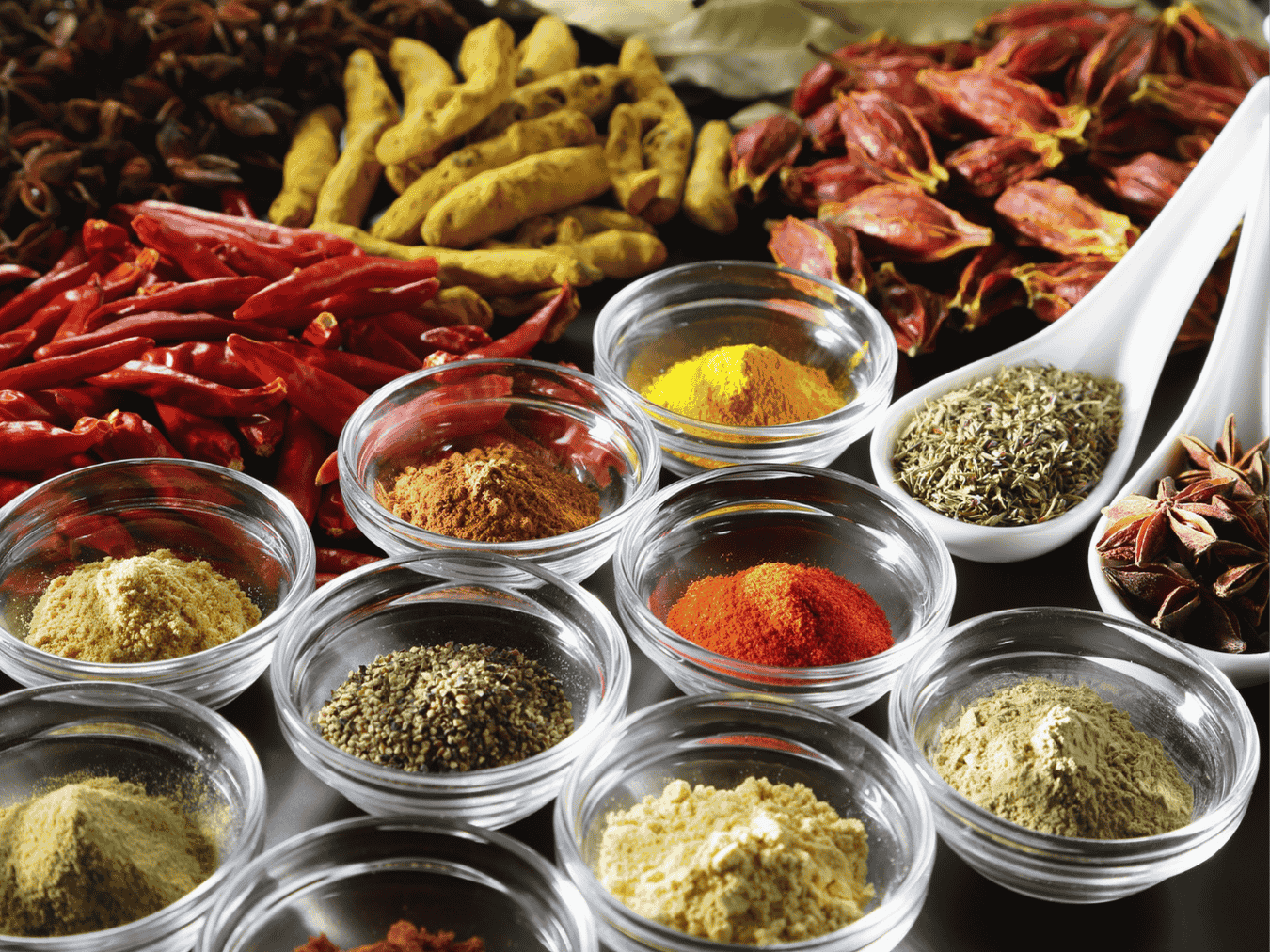
Seasoning adds flavour and spice to foods. Knowing when seasonings are recommended for babies, which seasonings are safe, and which to avoid helps prevent food allergies and reactions to seasonings.
As your baby starts solids, it’s normal to wonder whether their food has to stay bland or if you can begin adding a little flavor. You want meals that are safe, gentle, and still enjoyable for your baby—without stressing about doing the wrong thing. The good news is that with the right choices, your baby’s food doesn’t have to be plain forever.
Your baby is born with a sensitive palate, but introducing subtle, baby-safe seasonings can help them accept a wider range of foods as they grow. When done gradually and in small amounts, mild herbs and spices can support healthy eating habits and make mealtimes more enjoyable for both of you. In this guide, you’ll discover 7 seasonings that are safe for babies and how to use them simply and safely in your baby’s meals.
Key Takeaways
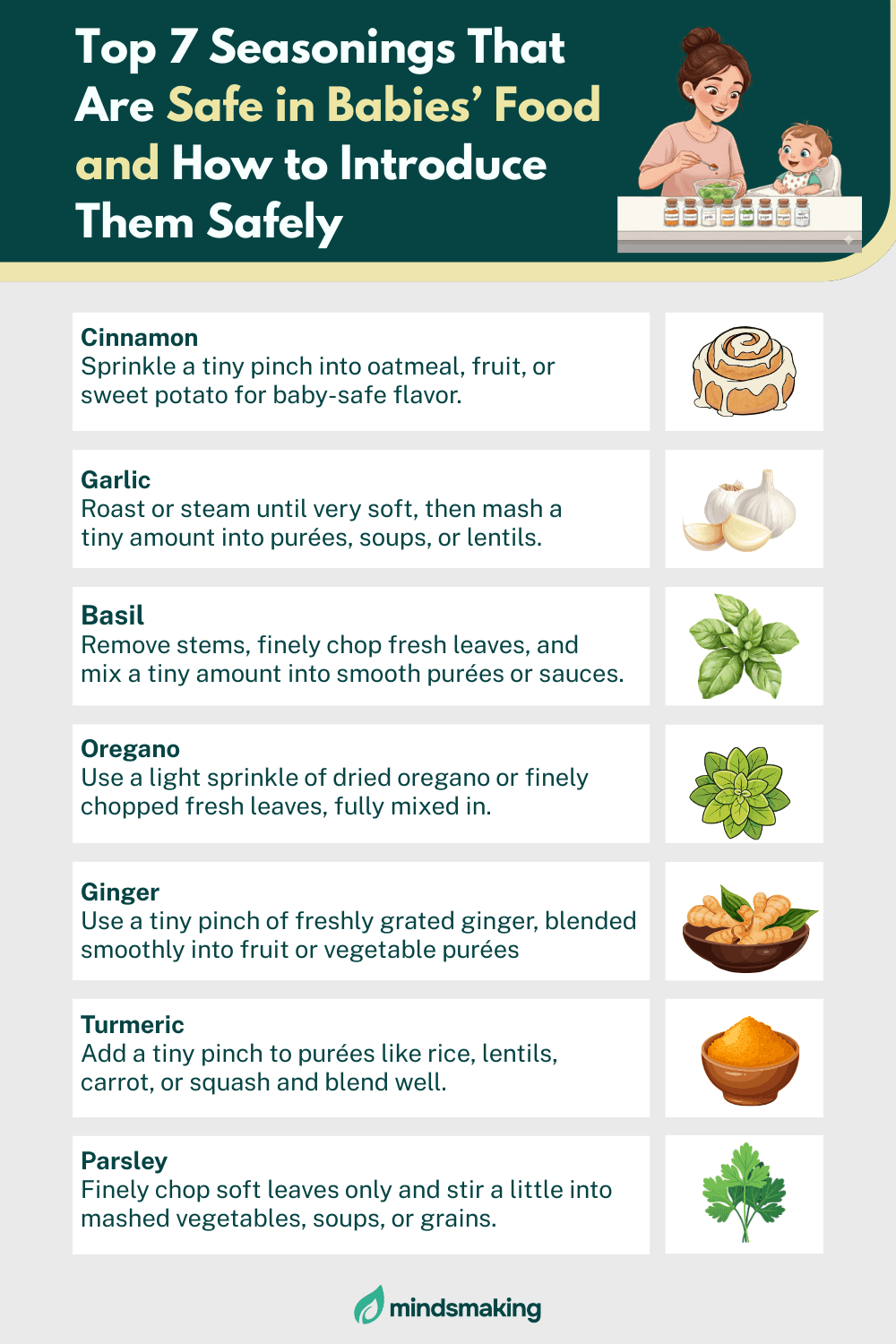
Cinnamon is a seasoning that adds natural sweetness and warmth without added sugar, making foods more appealing.
Cooked garlic is a mild, safe seasoning for babies that offers a subtle, savory flavor while supporting immunity.
Fresh basil has a mild, sweet taste and contains antioxidants, so finely chop and mix into mashed veggies, pasta, or baby-friendly sauces.
Oregano canenhance flavor without overwhelming babies, so sprinkle lightly into vegetable or chicken purées and start with tiny amounts.
A tiny pinch of grated fresh ginger introduces a mild, warm flavor that may aid digestion and reduce nausea, so introduce around 8 to 10 months and start very small.
Turmeric adds color and a mild flavor while providing anti-inflammatory benefits in meals, so use it in small amounts in rice, lentils, or vegetable purées.
Mild and vitamin-rich, parsley adds flavor without sodium while supporting iron absorption, just finely chop the leaves and avoid large stems to reduce choking risk.
To introduce seasoning to your baby, start with one new seasoning at a time, use very small amounts, avoid salt, sugar, honey, and strong spices, and always observe your baby’s reactions.
1. Cinnamon
Cinnamon is often the first seasoning parents fall in love with when they start seasoning their baby's food. It’s warm, familiar, and smells like comfort food, with meals that don't require added sugar or salt.
Aside from its flavor, cinnamon offers a few benefits. Research suggests that it supports digestion, and for babies who are still deciding how they feel about food, that subtle sweetness from the spice can make the meal more appealing. Cinnamon often stands out as one of the easiest baby-safe seasonings to start with.
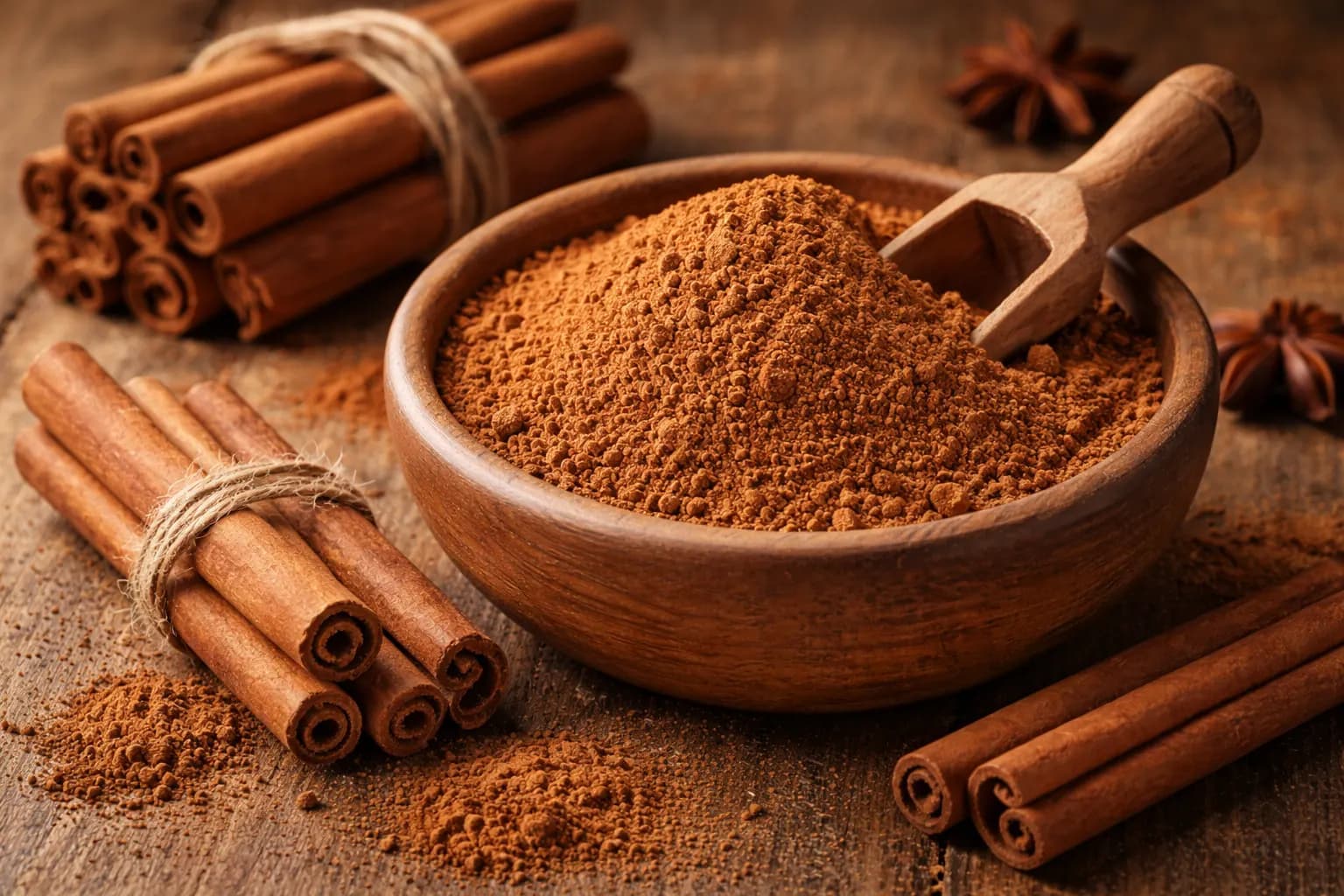
To use it without going overboard, start with small amounts first. A tiny pinch mixed into oatmeal, mashed apples, pear purée, or even sweet potato can transform their meal without overpowering it.
Tip: Avoid using large quantities and skip the use of cinnamon sticks entirely, as whole sticks can pose a choking hazard, and babies don’t need concentrated doses. A sprinkle is more than enough to introduce this flavor safely while keeping the herbs within the baby-friendly zone.
2. Garlic
Garlic might feel like a bold choice when you’re still figuring out when babies can have seasoning, but garlic is a baby-safe seasoning when it’s properly cooked. Raw garlic is far too strong for babies, but once roasted or steamed, it softens into a mellow, savory flavor that blends beautifully into baby foods.
In terms of nutrition, garlic offers more than just taste. It’s widely known for supporting immunity and adds a savory depth to meals without relying on salt. Adding garlic to meals is a way to introduce savory seasonings and spices early, which helps your baby learn that food doesn’t have to be sweet to be enjoyable.
Read This Next
No posts available
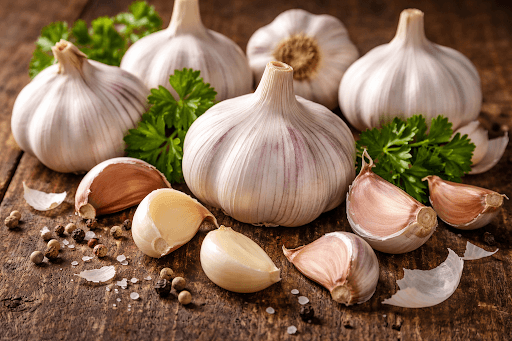
The key is preparation. You can roast or steam the garlic until it’s soft, then mash it thoroughly into vegetable purées, lentils, or baby-friendly soups. A tiny amount goes a long way, and this gently introduces it safely without overwhelming your baby’s palate.
Tip: Start very small and observe your baby’s reaction. Every baby is different, and while garlic is safe, too much too soon can be intense for some babies.
3. Basil
Basil is one gentle, fresh seasoning that quietly makes everything better in certain meals. When you start exploring solids, this soft, slightly sweet herb can add flavor without being harsh on your baby, making it ideal for early seasoning for infants.
Fresh basil isn’t just about taste; it also contains antioxidants that support immunity and overall health. More importantly for babies, it introduces green, plant-based flavors early on, which can help normalize herbs in everyday meals.
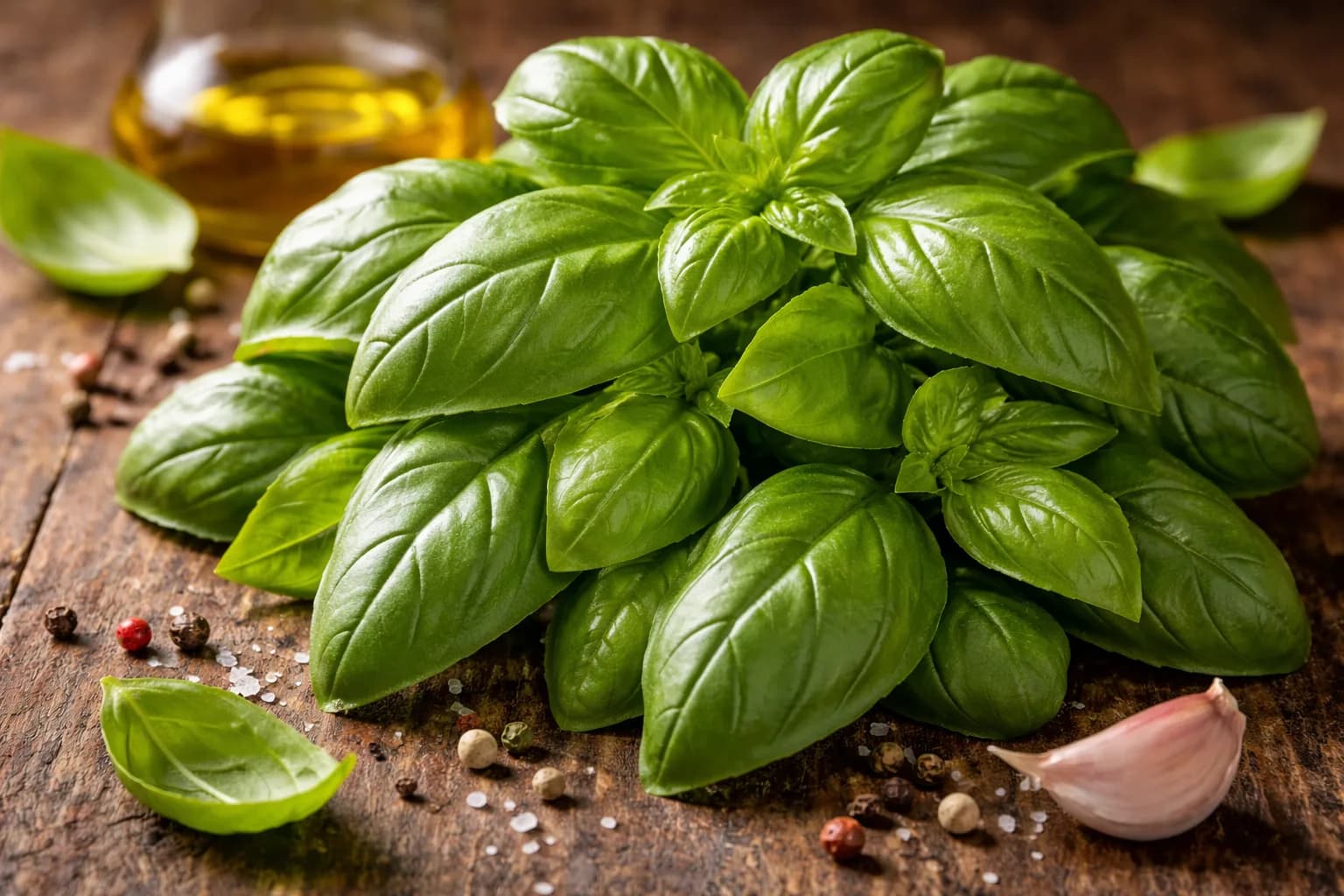
Using basil safely in your baby’s meals is all about texture and preparation. So, finely chop fresh leaves and mix them into mashed vegetables, soft pasta, or sauces to make them baby-friendly. You can also stir a small amount into tomato-based purées for a familiar, family-style flavor. This approach keeps seasonings gentle while still expanding your baby’s taste experiences.
Tip: Always remove the tough stems and chop the leaves very finely, as larger pieces can pose choking hazards. When prepared carefully, basil earns its spot among safe herbs for babies.
4. Oregano
Oregano may sound like a grown-up, adult-only herb, but it’s surprisingly gentle in a baby’s meal. This seasoning often gets overlooked, yet it’s one of those baby-safe seasonings that quietly supports early flavor learning without overwhelming their taste buds.
This mild herb helps babies experience savory tastes early on, which can be especially helpful if your little one prefers sweet foods. Oregano also supports digestion, making it a thoughtful addition for comfort.
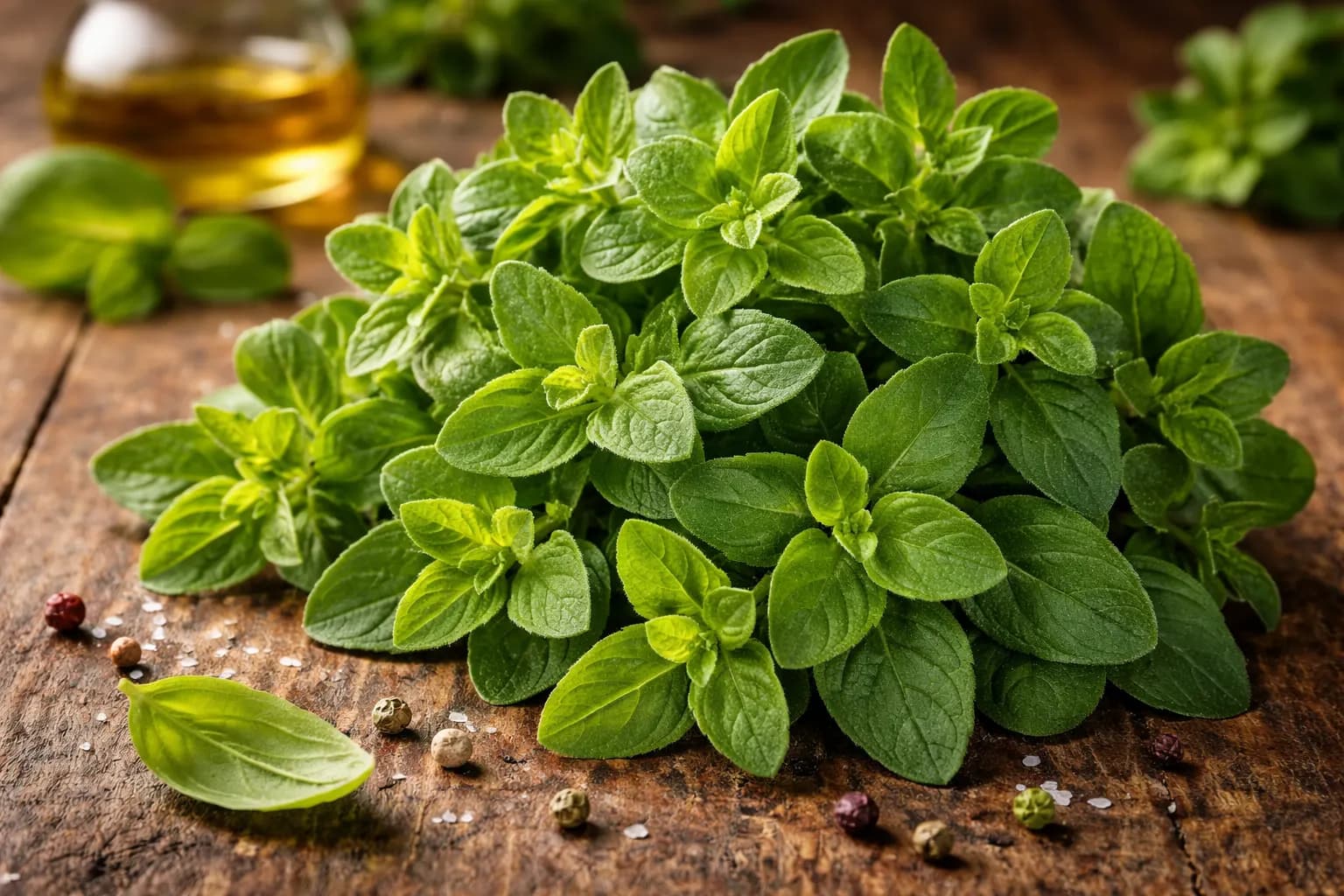
To serve this spice safely, the trick is in the amount. A very light sprinkle of dried oregano, or a tiny amount of finely chopped fresh oregano, can be mixed into baby food such as vegetable purées, lentils, or soft chicken purées. This way, you will introduce your baby to herbs in a calm, gradual way that supports long-term acceptance of savory foods.
Tip: Oregano has a distinct flavor, so a little of it is okay in your baby’s meal. Start with tiny amounts to avoid overwhelming your baby’s palate. Finely chop fresh leaves, avoiding thick stems to reduce the risk of choking.
5. Ginger
Ginger tends to raise eyebrows when parents find out that babies can have it in their meals; after all, it’s known for its spicy taste. However, ginger can be introduced safely once your baby is around 8-10 months old, as long as it’s used in very small amounts.
One of ginger’s outstanding benefits is digestive support. It is traditionally used to ease tummy discomfort and mild nausea, which can be helpful during unpredictable digestive issues.
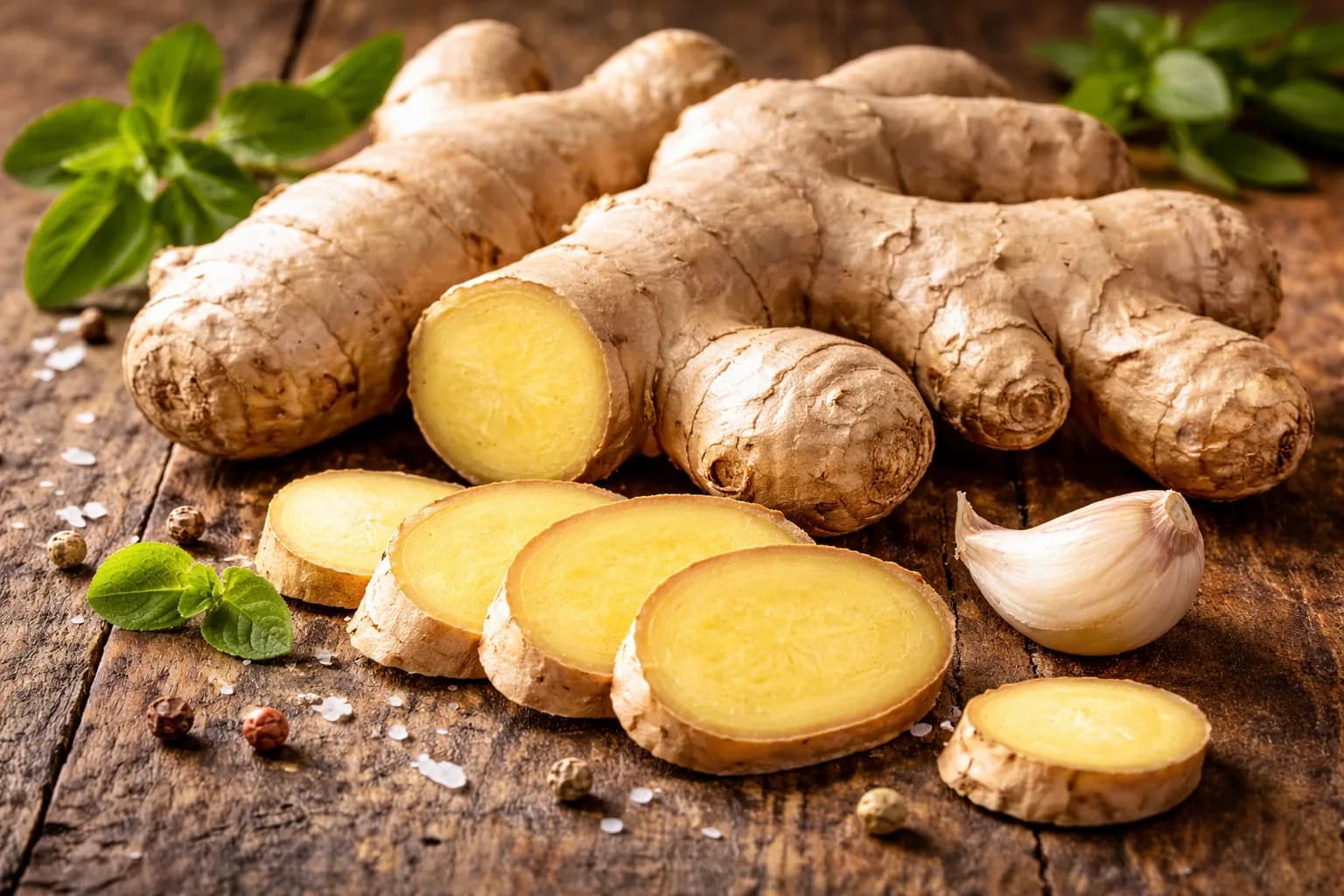
When using ginger, use it moderately. You can use a tiny pinch of freshly grated ginger in fruit purées, such as pear or apple, or blended into vegetable purées, such as carrot or pumpkin. This method keeps seasonings balanced and allows your baby to experience new flavors slowly.
Tip: Ginger can be intense, so always start small, taste, and observe your baby’s response to ensure it's not too much. Also, avoid large chunks or fibrous pieces, as these can pose a choking hazard.
6. Turmeric
Turmeric is the sunshine seasoning on the spice rack; it is bright, tangy, and surprisingly gentle for babies when used correctly. Parents often pause here, mostly because turmeric has a bold color and a strong spicy kick; however, turmeric is safe for babies when given in small amounts and is a lovely way to introduce warm spices without heat.
One of turmeric’s biggest health benefits and causes of fame is its anti-inflamatory properties from the compound curcumin found in it. When your baby is gently exposed to flavorful seasonings like turmeric, it can support early acceptance of diverse foods.
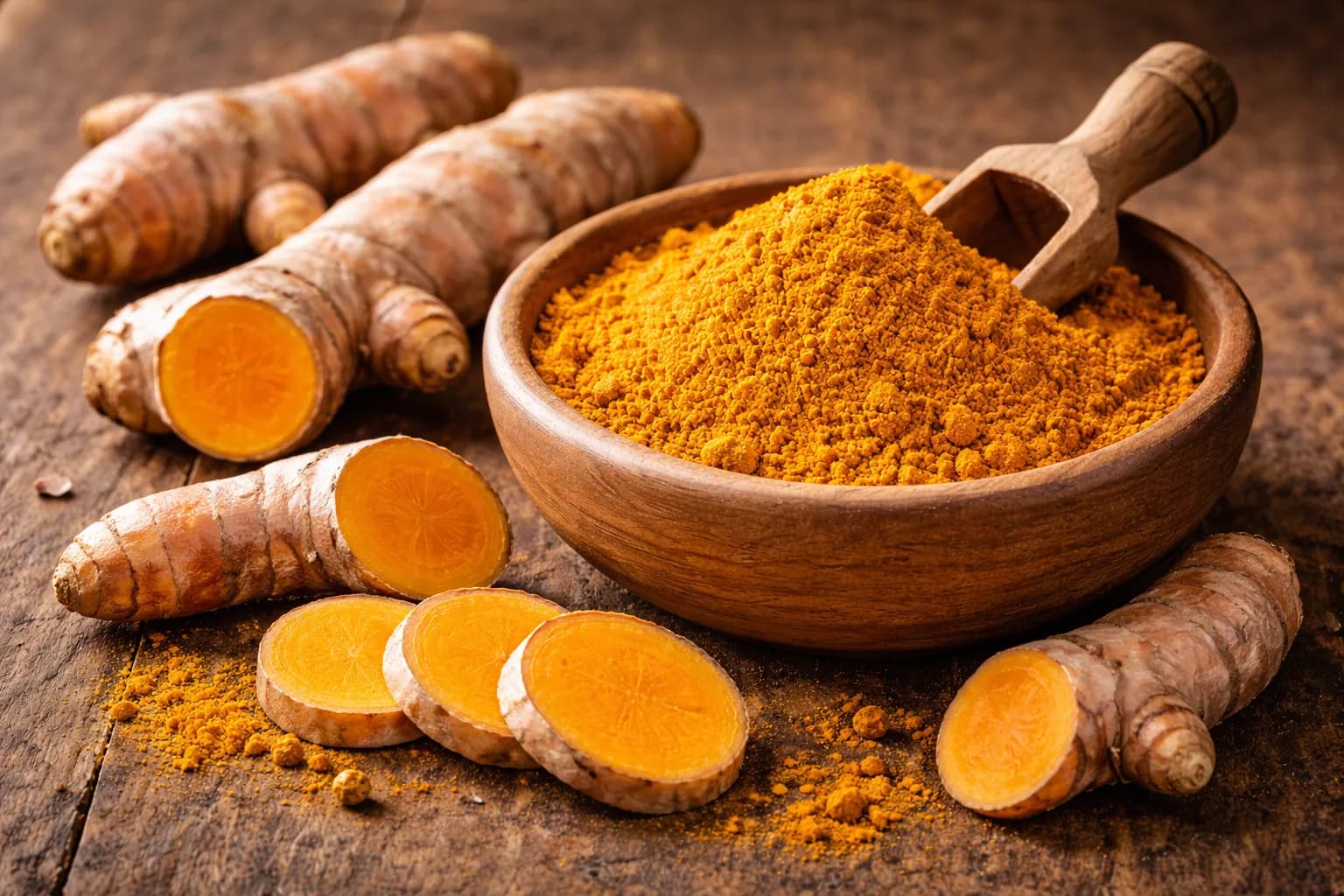
When using turmeric in your baby’s meals, use just a pinch. A tiny amount can be mixed into meals such as rice purées, lentils, or vegetable blends made from carrots or squash. It will add color and mild earthiness without overpowering the dish.
Tip: Turmeric is best absorbed with a small amount of healthy fat, so mixing it with avocado, olive oil, or full-fat yogurt will help with absorption and digestion. Also, always ensure it’s fully blended and smooth to reduce the risk of choking.
7. Parsley
Parsley may seem irrelevant compared to other bold herbs like garlic or turmeric, but don’t underestimate this mild, leafy herb. Parsley is often overlooked, but it can be a gentle, nutrient-packed addition to your baby’s meals.
Parsley is mild, fresh, and loaded with vitamins, making it an easy way to add flavor and nutrients without relying on salt or sugar. It can also support iron absorption, a big win for growing babies.
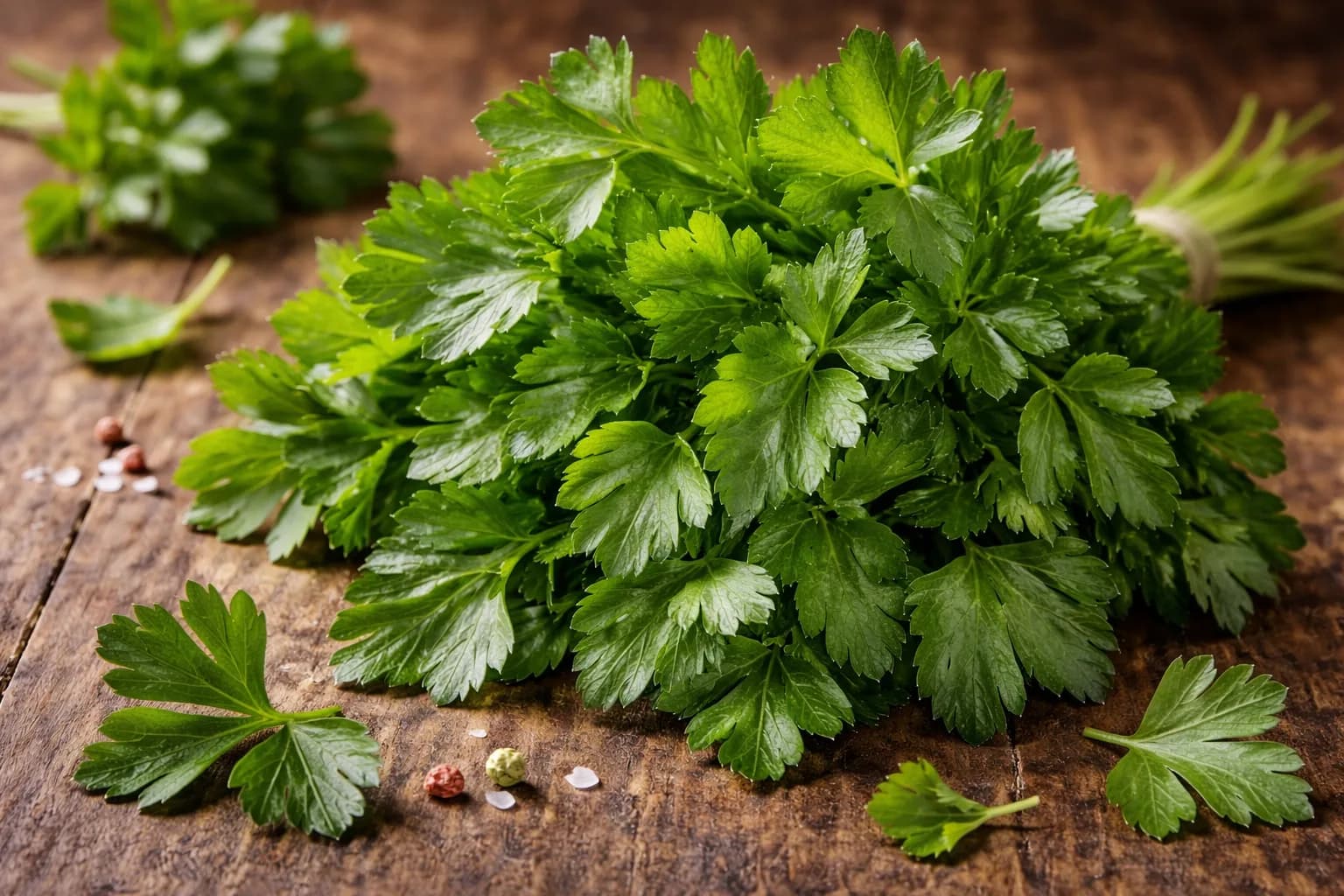
To use parsley, you can finely chop the leaves and stir them into mashed vegetables, soups, or even grain dishes. A little of this herb goes a long way in their meals, allowing your baby to enjoy new flavors without overwhelming their palate.
Tip: Avoid large leaves or tough stems, as they can be choking hazards for your baby.
How to Simply use Seasonings safely in Your Baby’s meals
Here are some tips to make this process a success:
Introduce one new seasoning at a time: Babies’ digestive systems and taste buds are still developing, so introduce a single baby-safe seasoning at a time to allow you monitor tolerance, spot potential allergies, and ensure the flavor isn’t overwhelming for your baby.
Add after cooking:This helps you control the flavor more easily and prevents the seasoning from becoming too strong or overpowering for your baby.
Start with very small amounts: A pinch or a sprinkle of these seasonings is enough for first-time use. Tiny amounts of spices or herbs will help your baby experience new flavors without upsetting their delicate systems.
Mix into familiar foods: Stir seasonings into purées, mashed foods, or baby-safe portions of family meals your baby already enjoys to make new flavors easier to accept.
Avoid salt, sugar, honey, and strong spices: Until your baby turns one year old, skip strong seasonings that are too intense, like chili powder, large amounts of garlic, honey, or anything sweetened. This keeps meals gentle on little stomachs and prevents early taste preferences for overly salty or sweet foods.
Build variety gradually: Increase exposure slowly, giving your baby time to get used to each new taste before introducing another one.
Observe and adjust: Every baby reacts differently to new flavors, so watch your baby’s cues like smiles, grimaces, or reaching for more, and adjust the spice accordingly. This approach ensures that the seasonings remain a fun and safe part of your baby’s meal.
A Word From Mindsmaking
Your baby’s food doesn’t have to be bland. Mild flavors like cinnamon, garlic, basil, oregano, ginger, turmeric, and parsley can make everyday purées more enjoyable while helping your baby develop a healthy palate.
Experimenting with small amounts and safe combinations encourages curiosity and acceptance of new foods. Introducing flavors safely now sets the stage for healthy eating habits for life, giving your baby a head start on appreciating the wide world of tastes, textures, and aromas.
Frequently Asked Questions
When can I start giving my baby seasonings?
Babies can start exploring baby-safe seasonings like parsley once they are ready for solids, usually around 6 months, but it’s important to begin with very mild flavors.
Which seasonings are safe for babies?
Safe options include cinnamon, garlic (cooked), basil, oregano, ginger, turmeric, and parsley. These safe herbs and mild spices add flavor without salt, sugar, or heat, making them ideal for early flavor introduction.
Are there seasonings I should avoid giving my baby?
You should avoid giving your baby raw garlic, chili peppers, strong spices, salt, sugar, and honey before the first year. These can irritate tiny stomachs, overwhelm taste buds, or even be choking hazards.
How much seasoning is safe for babies?
Start with a tiny pinch. Small amounts of seasonings, spices, or safe herbs are enough to introduce flavor. Too much can be overwhelming, so moderation is key.
Can I use these seasonings in homemade baby food and store-bought purees?
You can. Just sprinkle mild, baby-safe seasonings into homemade purées, or mix them carefully into plain store-bought options. The key is small amounts and smooth textures to avoid choking hazards while expanding flavor experiences.
Can seasonings help my baby develop healthy eating habits?
Introducing flavor with seasonings early helps babies learn that foods can be tasty without relying on salt or sugar. Over time, this supports acceptance of a variety of foods and sets the foundation for balanced eating habits.
Can I mix multiple seasonings for my baby?
You can, but you should start slowly. Begin with one seasoning at a time, then experiment with gentle combinations, such as cinnamon + pear or basil + tomato. This ensures babies aren’t overwhelmed and allows you to monitor reactions.
How do I introduce seasonings safely to my baby?
Introduce one new seasoning at a time, start with a tiny pinch, observe reactions, and avoid salt, sugar, honey, and strong spices. This allows your baby explore taste safely, enjoy meals, and develop a positive relationship with food from the start.
Was this article helpful?
How many stars are you giving this article?
Leave a comment
Your email address will not be published.